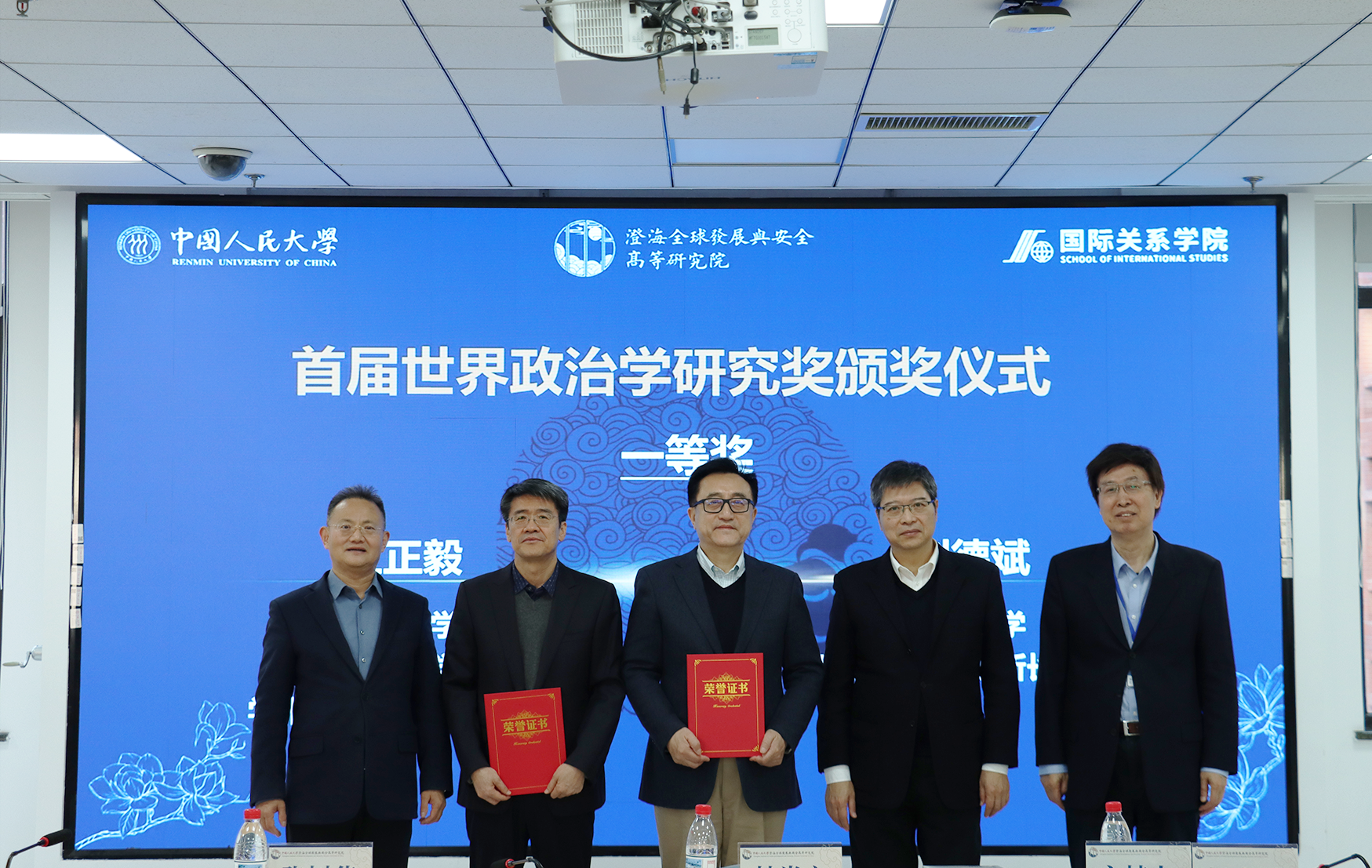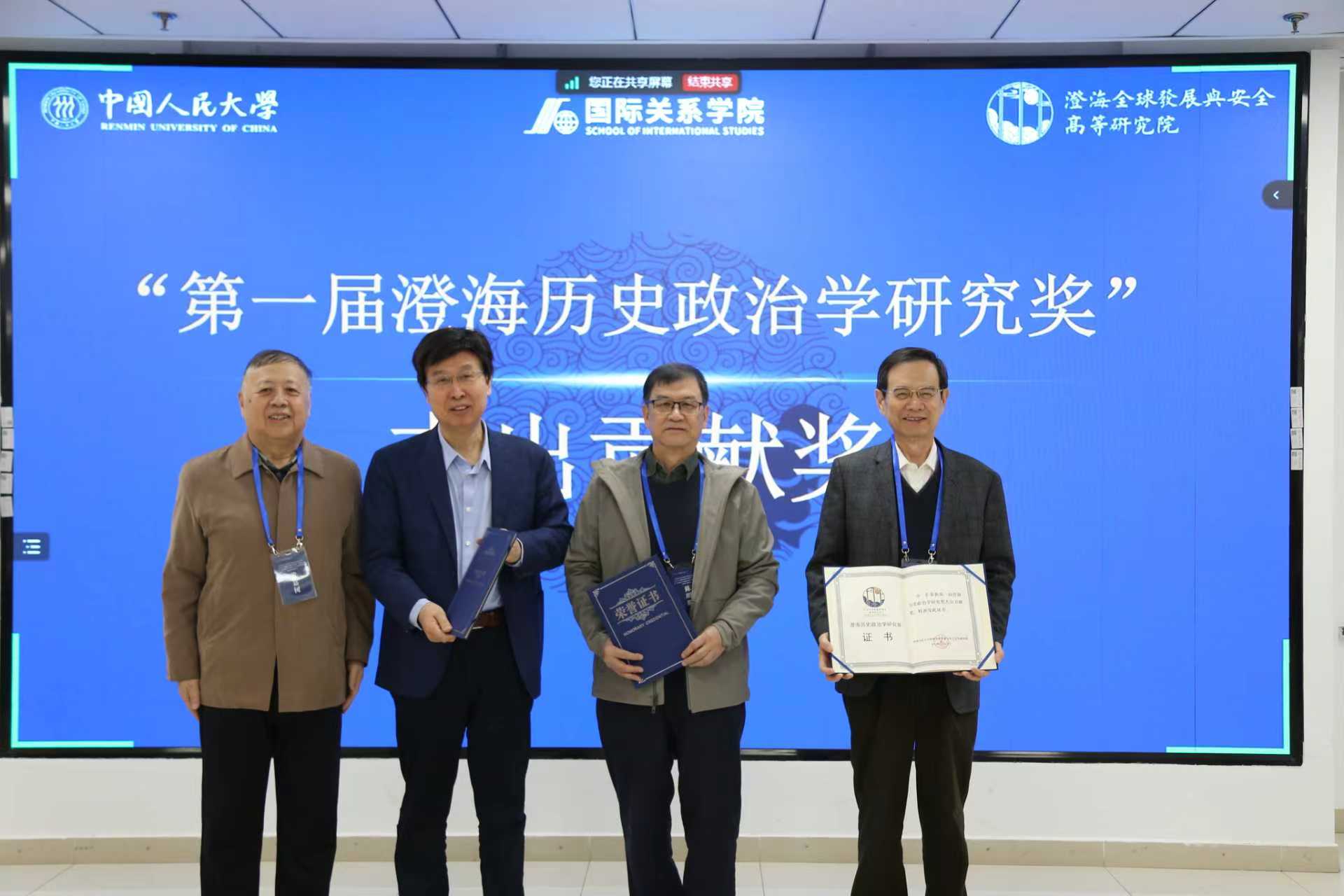
Achievement Exhibition of the 1st Chenghai Award for Historical Politics Research | First Prize·Ren Feng: The Intellectual Tradition of Governance Theory and Its Modern Enlightenments
Modern scholars' generalizations and judgments on China's political system have been dominated by Western theories of democratic regimes. In contrast, the theory of governance system—a time-honored intellectual tradition in China—provides a solid and profound theoretical perspective for reflection.
This tradition has undergone the stages of inception, development, maturation and decline. From Jia Yi of the early Han Dynasty to Collected Essays on Statecraft of the Qing Dynasty in the late Qing period, it exerted a profound influence on the ideological and institutional practices of the unified imperial state under the prefecture-county system.
Governing philosophy, governing institutions and governing elites constitute the three core theoretical elements of this tradition, which have evolved into diverse forms. It demonstrates a practitioner-oriented perspective and has given rise to typological classifications of governance systems such as rule by individuals, rule by law and rule by ritual norms.
Beyond prevalent frameworks like the notion of “inner sageliness and outer kingship”, the theory of governance system offers a systematic approach to understanding the thinking behind traditional order. Meanwhile, it unlocks rich and more comprehensive constitutional resources for reflecting on the flaws of modern theories of regime.
Date :2025.12.23