World Political Theory
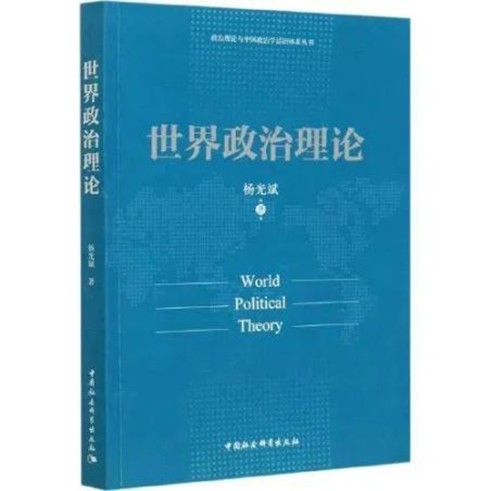
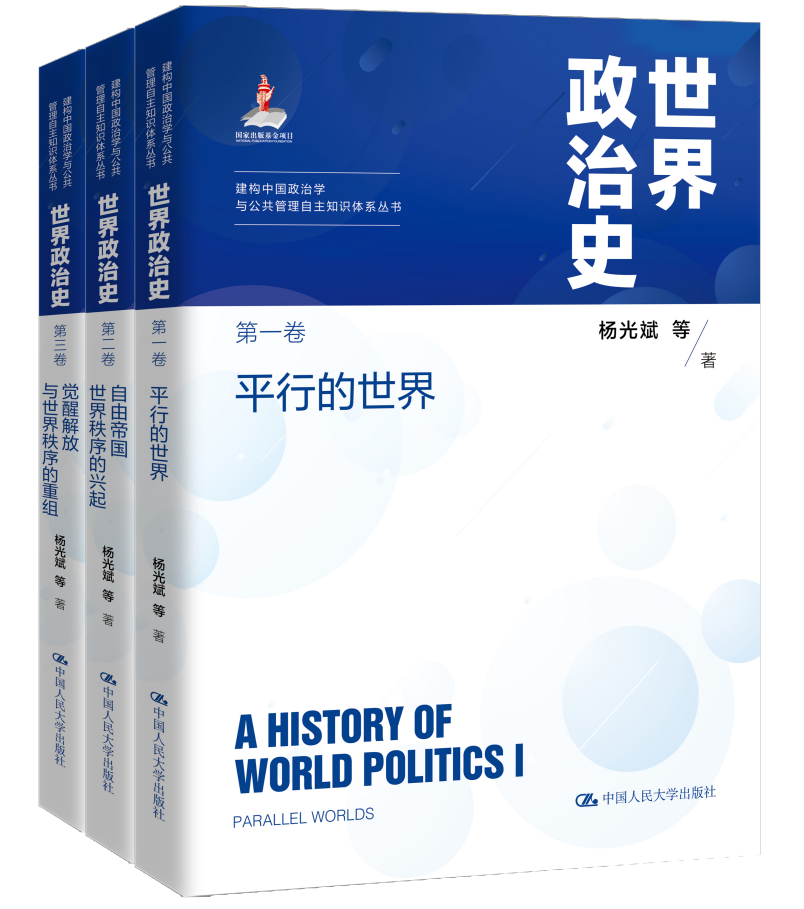
World Political Theory was awarded the 9th Higher Education Outstanding Research Achievement Award (Humanities and Social Sciences) by the Ministry of Education.
Date:2026.01.12
World Political Theory was awarded the 9th Higher Education Outstanding Research Achievement Award (Humanities and Social Sciences) by the Ministry of Education.
Date:2026.01.12
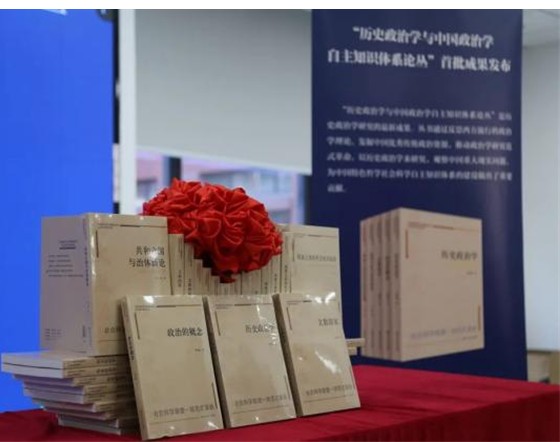
Academic research is a "project of patience". Since the establishment of the Center for Historical Political Science at the School of International Studies, Renmin University of China in 2019, this series represents the first batch of achievements under the Series on the Autonomous Knowledge of Historical Political Science and Chinese Political Science. It aims to make a substantive contribution in terms of methodology to the construction of an autonomous knowledge system for Chinese political science.
Date:2026.01.12
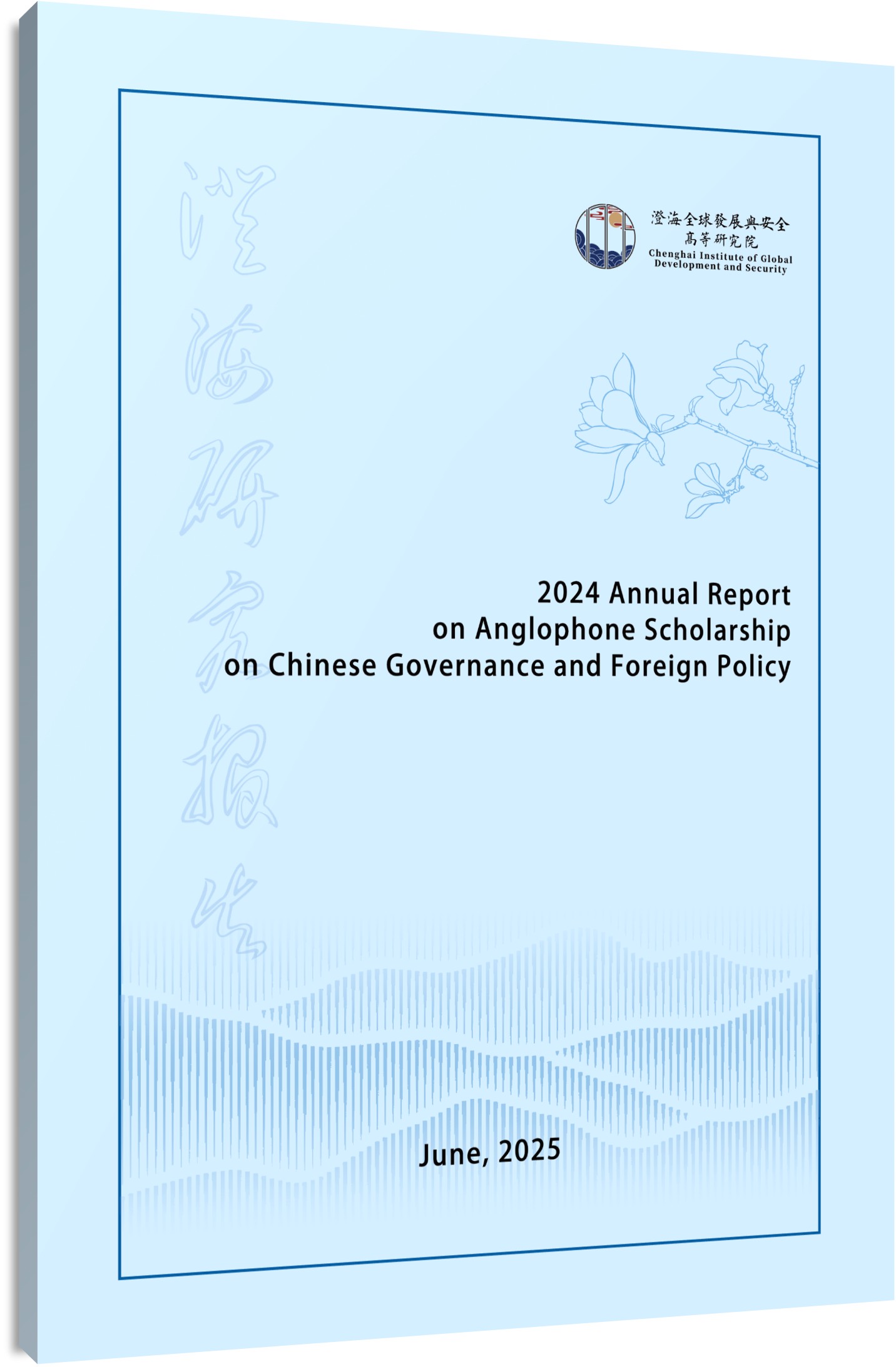
To actively advance the construction of China's autonomous knowledge system of political science, and in particular to enhance the capacity of Chinese political science to engage in critical dialogue with mainstream Western political science theories, the Data Science Research Center (Arts Laboratory) of the School of International Studies at Renmin University of China launched and hosted the project 2024 Annual Report on Anglophone Scholarship on Chinese Governance and Foreign Policy (hereinafter referred to as the 2024 Annual Report), upon the initiative and support of Chenghai Institute of Global Development and Security at Renmin University of China.
The project team conducted a panoramic review of mainstream English-language academic journals spanning political science, sociology, economics, international relations, international security, and area studies (including China studies and Asian studies). It collected all academic papers published in these journals throughout 2024 that addressed issues related to China’s governance and diplomacy. In parallel, the team also compiled all academic monographs relevant to China’s governance and diplomacy published in 2024 by leading academic and commercial publishers in the English-speaking academic community.
Taking the collected English-language papers and monographs as its core data, the 2024 Annual Report systematically mapped the thematic distribution of English-language research on China's governance and diplomacy in 2024, along with the key findings and conclusions of such research. Subsequently, under the guidance of six full-time faculty members, ten master's and doctoral students specializing in Chinese politics, Chinese and foreign political systems, diplomacy, and international relations wrote literature reviews and commentaries on the most prominent research themes, thus completing the core content of the 2024 Annual Report.
Date:2025.12.11
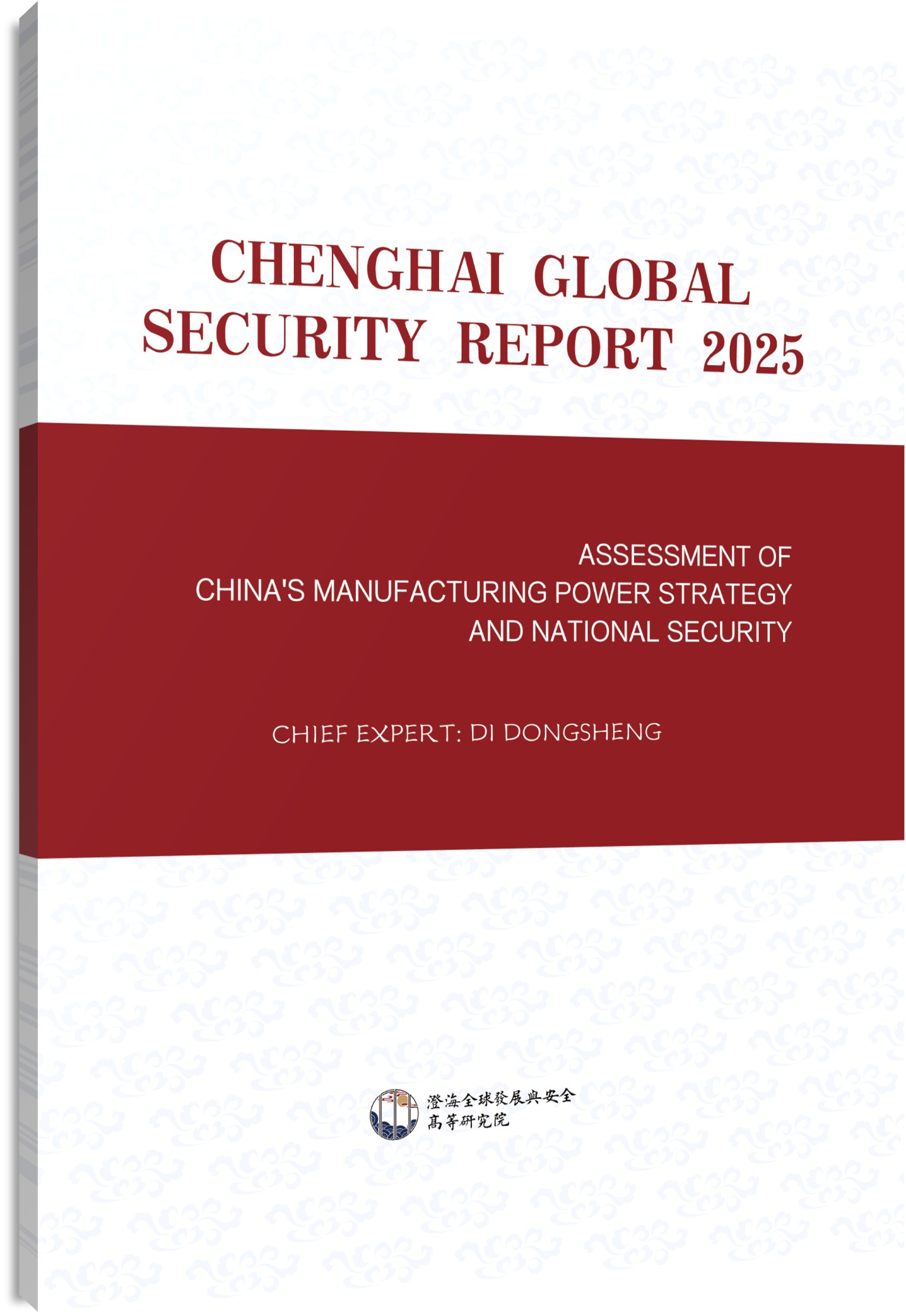
This report systematically interprets the dynamic correlation between China's progress toward becoming a manufacturing power and national security from three theoretical perspectives: the price revolution, weaponized interdependence, and the security dilemma.
The price revolution serves as the core theoretical perspective of this report. It refers to the significant price decline of manufactured goods led by China. At the domestic level, this transformation has enhanced national governance capacity, reduced the risk of China’s manufacturing sector being subject to "chokepoint" constraints, and effectively consolidated the foundation of national security. At the international level, this transformation has provided affordable manufactured goods to developing countries, strengthening their national security capabilities; meanwhile, it has also exacerbated the international security challenges faced by China.
Both weaponized interdependence and the security dilemma focus on the changes in the international security landscape triggered by China’s endeavor to build itself into a manufacturing power. The former means that the upgrading and rise of China’s manufacturing sector have reduced the risk of Western countries using interdependence as a "weapon" to suppress China, but at the same time, it has also made Western countries worry that China might "weaponize" their dependence on China, prompting them to intensify containment measures against China. The latter refers to the fact that China’s measures to strengthen its own security have aroused anxiety among Western countries, prompting them to introduce containment measures, which in turn have forced China to increase investment in independent innovation, further fueling the sense of insecurity among Western countries.
Date:2025.12.11
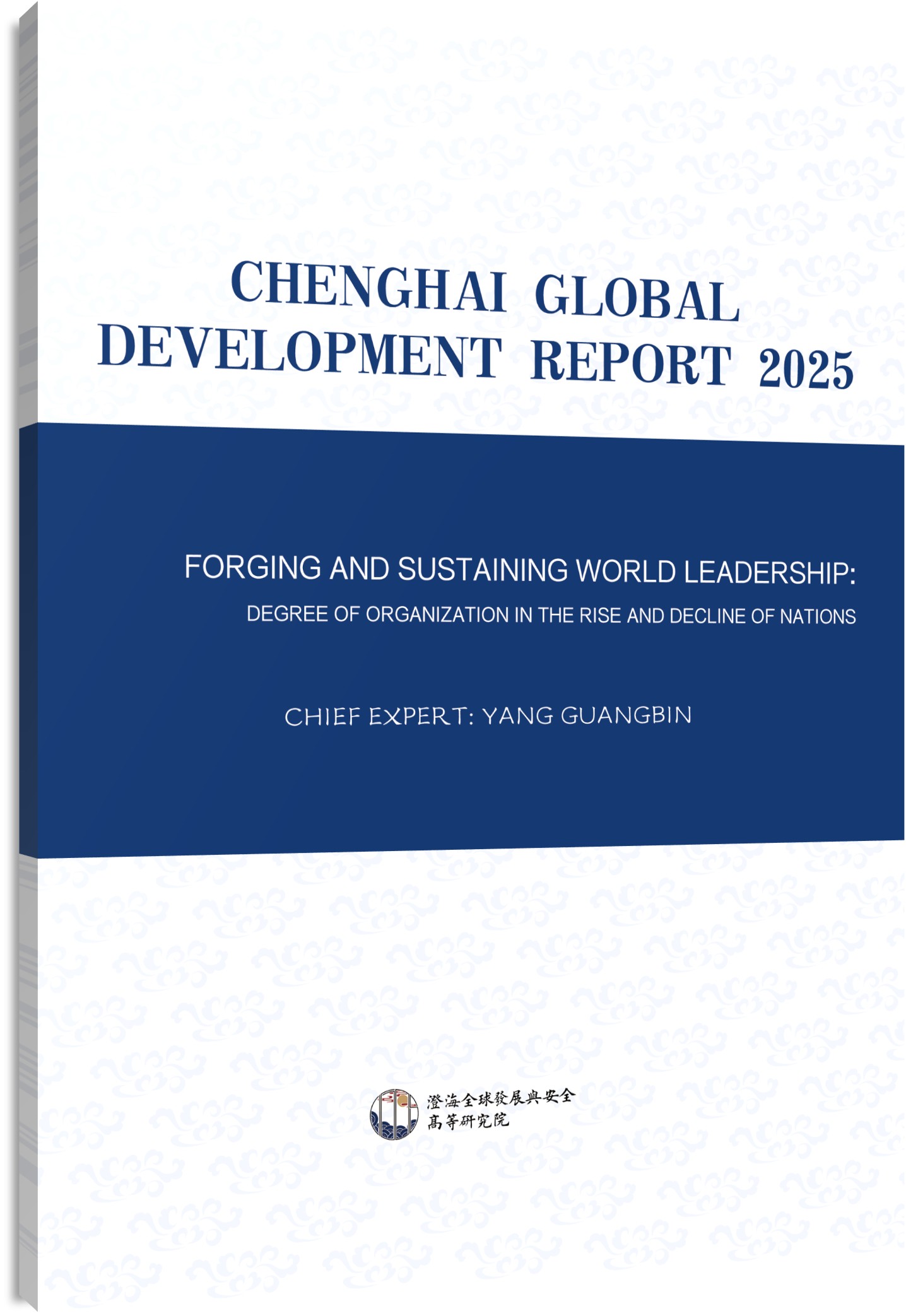
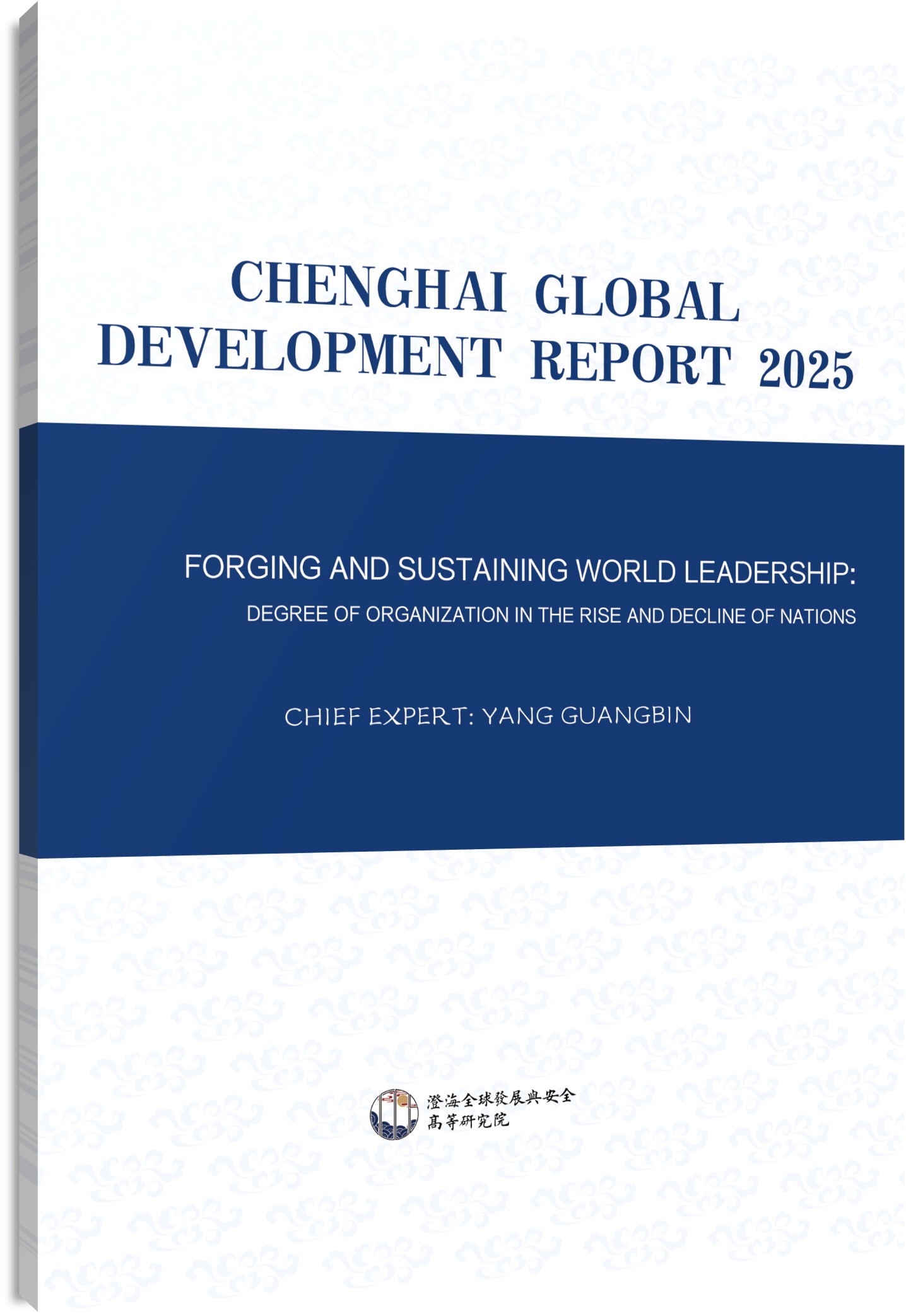
The rise and fall of nations is a compulsory course that world-leading powers can never afford to neglect. It’s observed that the relations between major powers, while contested on a global scale, are ultimately decided by domestic governance.
Riding on the momentum of victory in the Cold War and coupled with the dominance of the new institutional economics over the world’s intellectual market, Western countries have habitually viewed the rise and fall of nations through an institutionalist lens and affixed ideological labels to the systems of various countries. However, this approach is incapable of solving the mystery of "social vitality" that dictates the rise and fall of nations.
Unlocking the "black box" of national rise and fall requires a new research unit. In contrast to the highly ideological institutionalist interpretations, the research unit of organizational degree derived from the organizationalist approach is far more capable of explaining the disparities in national development.
Organizational degree is an objective entity that exists at the "actual existence" level. In the history of nations, the evolution of human civilization has been a process advancing from non-organization to organization, from simple organization to complex organization, and from low organizational degree to high organizational degree. What Western political science refers to as modernization is essentially a high-organization process featuring the centralization of public authority from polycentrism to monocentrism, with nation-building serving as a key milestone in this modernization drive.
Therefore, the objective "organizationalism" aligns more closely with historical reality than the subjective "institutionalism", and organizational degree is naturally a research unit that allows for both qualitative and quantitative analysis. Based on this newly identified research unit of organizational degree, this study conducts macro-comparisons of grand history and macro-structures, and its core arguments are as follows.
Date:2025.12.11
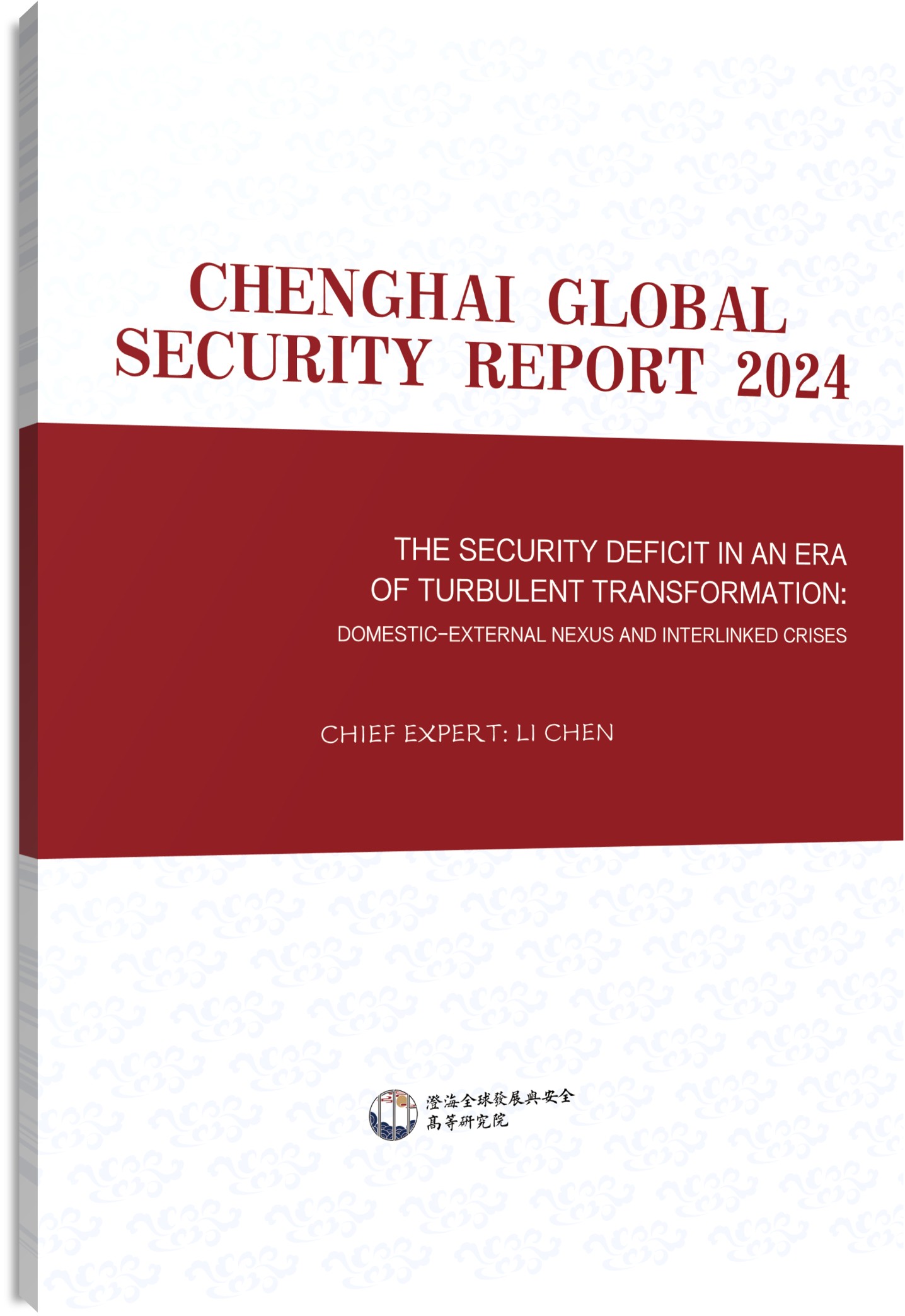
In 2024, two major forces shaped the global security landscape: first, the drastic domestic political changes in multiple countries and regions triggered by elections, partisan strife, wars and conflicts, which exerted an impact on their internal and external strategic choices; second, the interconnectedness of conflicts and crises across Europe, the Middle East and the Asia-Pacific region. Relations among major powers, especially China-U.S. relations, maintained peace, yet the U.S. strategic thinking and practices centered on zero-sum games undermined the long-term stability of major-power ties.
This report focuses on the evolutionary trends of the global landscape and the interaction between internal and external factors, security in three regions surrounding China (namely Northeast Asia, Southeast Asia and South Asia), two conflicts (the Russia-Ukraine conflict and the conflict in the Middle East), as well as two non-traditional security issues including climate change and technological transformation.
Date:2025.12.11
This study abandons the prejudice of regarding globalization as a single historical process. On the contrary, it understands globalization as a synthesis of multiple similar but not entirely identical cross-regional interaction processes. These globalizations, which exist in the plural form, did not occur simultaneously nor evolve in parallel. In fact, each of them follows its own laws of development.
Among these "various globalizations", the one we are most familiar with and that is most frequently discussed in political and academic circles is a dynamic reflection of the continuous expansion of the capitalist world-system over the past five hundred years. Nevertheless, it is neither the starting point nor the end point of globalization, let alone its only form. This Western-dominated model of globalization emerged from the fissures of more ancient and diverse global interaction processes. Through the continuous annexation of different regions and civilizations, it has brought about "a rapidly expanding integration among the economic systems of different nation-states and regions, that is, the transformation from the early polycentric 'world economy' to a homogenized 'global economy'".
Now, as this model faces a structural crisis, another inclusive and equitable model of globalization, led by economic emancipation, has already emerged. This study will employ the world-system analysis method to demonstrate this process amid the complex historical variations, weigh the ideological debates behind the controversies over globalization, and explore the global significance of the new model of globalization.
Date:2025.12.11
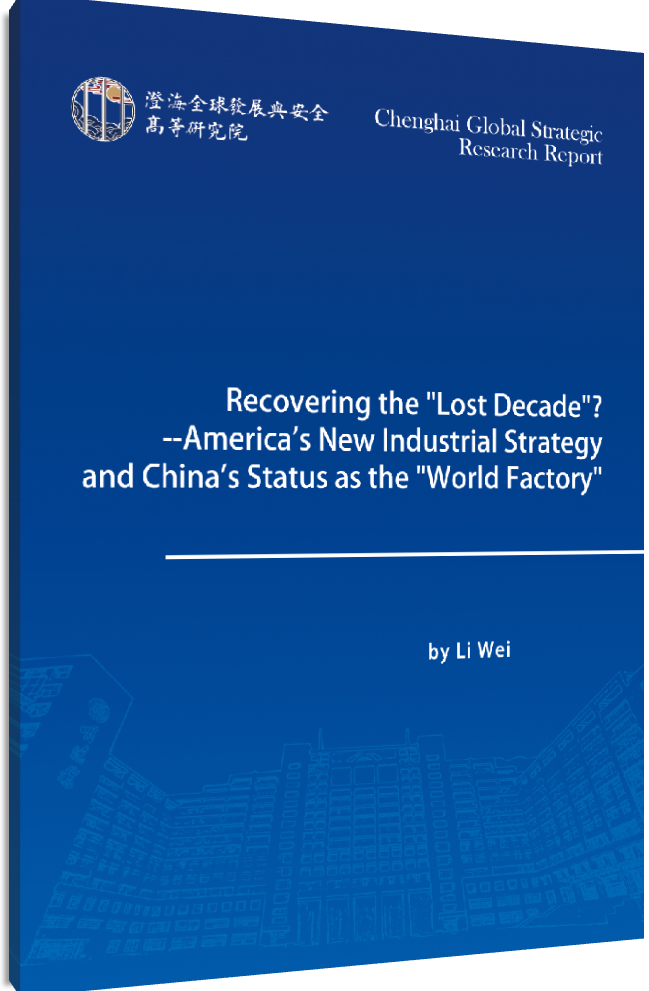
In the first decade of the 21st century, U.S. manufacturing hegemony suffered its most severe decade-long decline, and cracks began to appear in the once-impregnable "steel fortress." During this "lost decade," the tide of globalization and manufacturing outsourcing battered the steel backbone of "Made in America." Meanwhile, emerging economies such as China, after joining the WTO, rapidly integrated into the international division of labor and took on massive industrial transfers from developed countries. The U.S. manufacturing hegemony, which had endured for over a century, faced severe challenges from China and showed strong signs of wavering. In 2010, China surpassed the United States to become the world's largest manufacturing nation. In the 200-year history of industrialization, this marked another watershed event, following the United States overtaking Britain in manufacturing output in 1890.
Date:2026.01.23
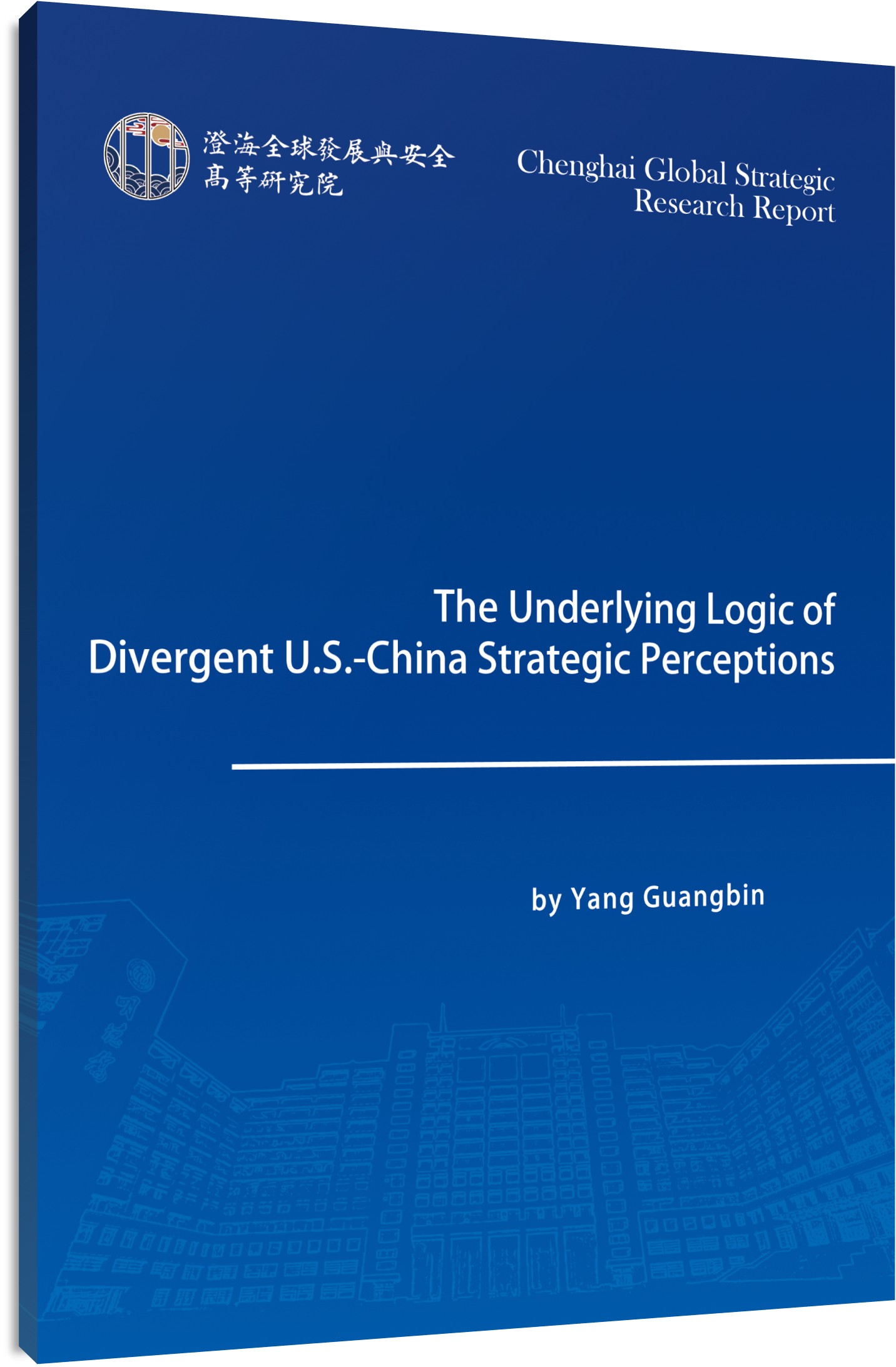
President Xi Jinping has pointed out that the issue of strategic perception is always the first button that must be fastened correctly in China‑US relations. This underscores the paramount importance of strategic perception for the bilateral relationship. As the saying goes, "Know yourself and know your enemy, and you will win every battle." In retrospect, the U.S. "engagement" strategy toward China was in fact built on a misperception of China's politics. Today, it is imperative for the Chinese side to gain a clear understanding of Western politics, especially that of the United States. A sound grasp of each other's political systems not only helps to understand mutual strategic perceptions but also clarifies certain judgments concerning China‑US relations.
From the perspective of historical political science, China's and the United States' strategic perceptions of each other are both rooted in their respective political outlooks and their understandings of "international relations" as external politics. These political outlooks, in turn, directly stem from their historically distinct trajectories.
Date:2026.01.23
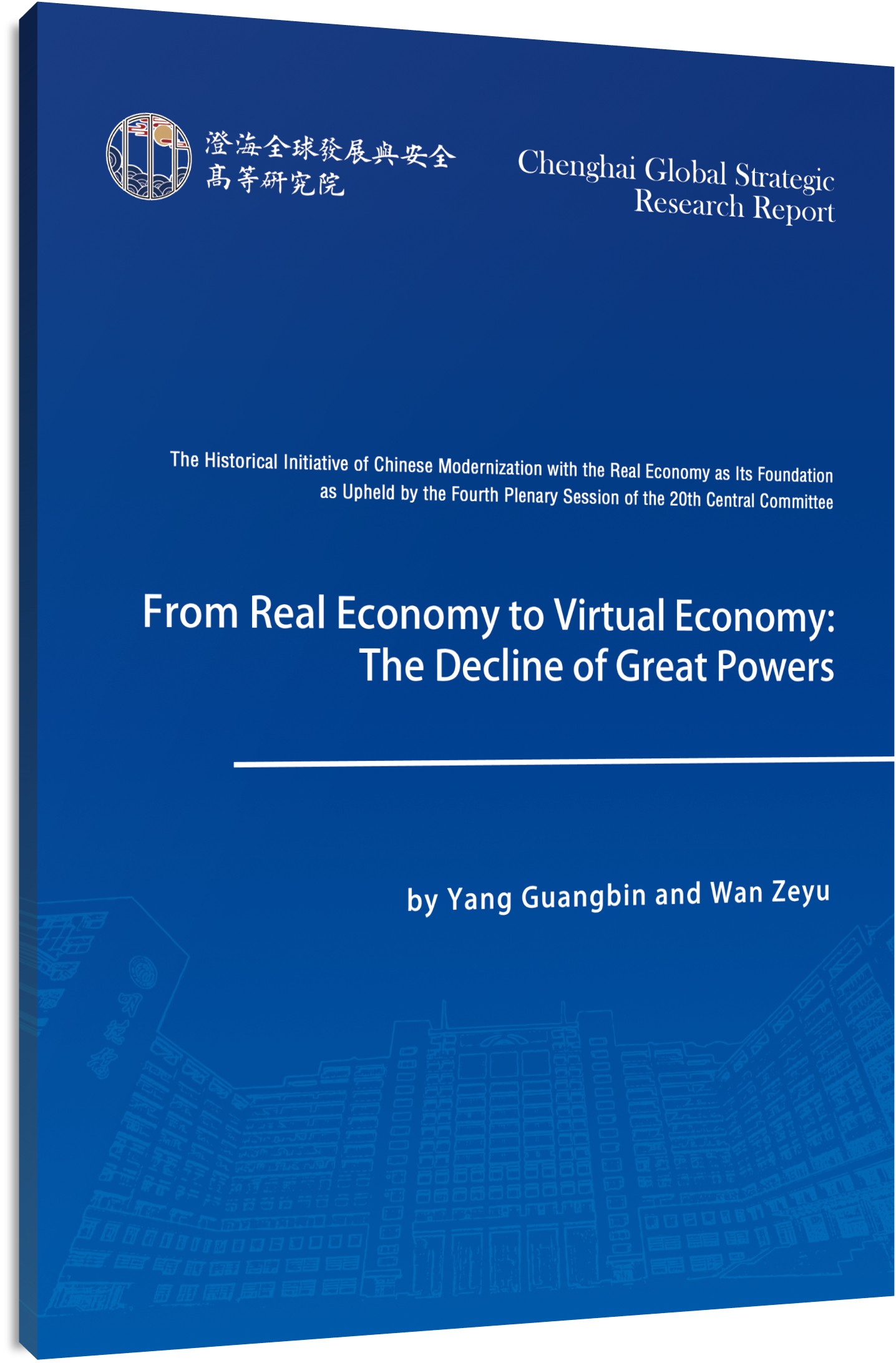
Mainstream explanations for the rise and fall of great powers all suffer from certain limitations. From the perspective of global politics, this study adopts a long historical and comparative case study approach and finds that, in the history of capitalism since the rise of the West, cyclical hegemonic decline has often been triggered by the economy's shift from real to virtual sectors. The structural root of this shift lies in the disembedding of capital power, which eventually leads to the capture of political power.
Date:2025.12.11
| Issue | Title | Author |
|---|---|---|
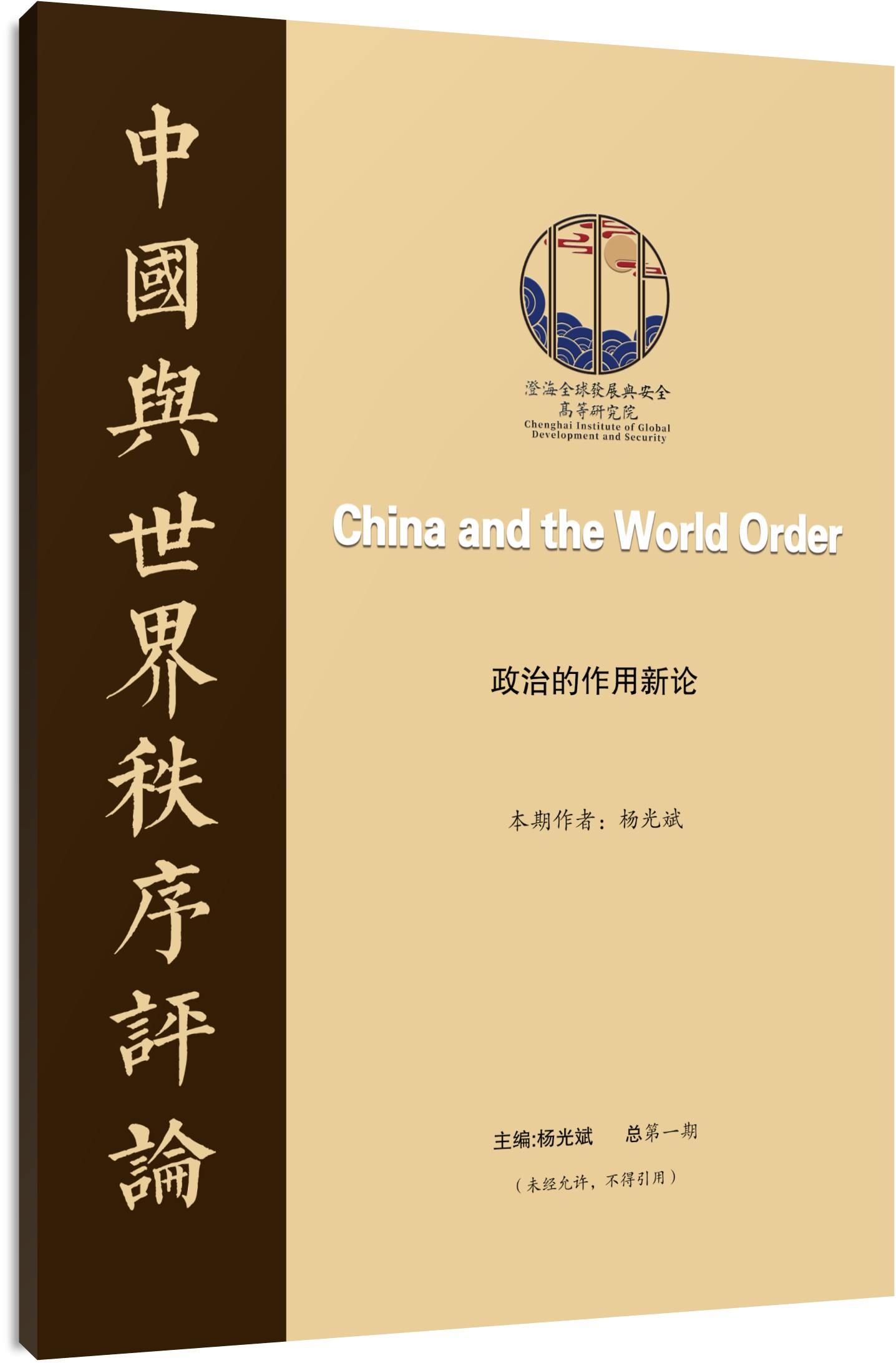
| Issue 1 | A New Theory of the Role of Politics | Yang Guangbin |
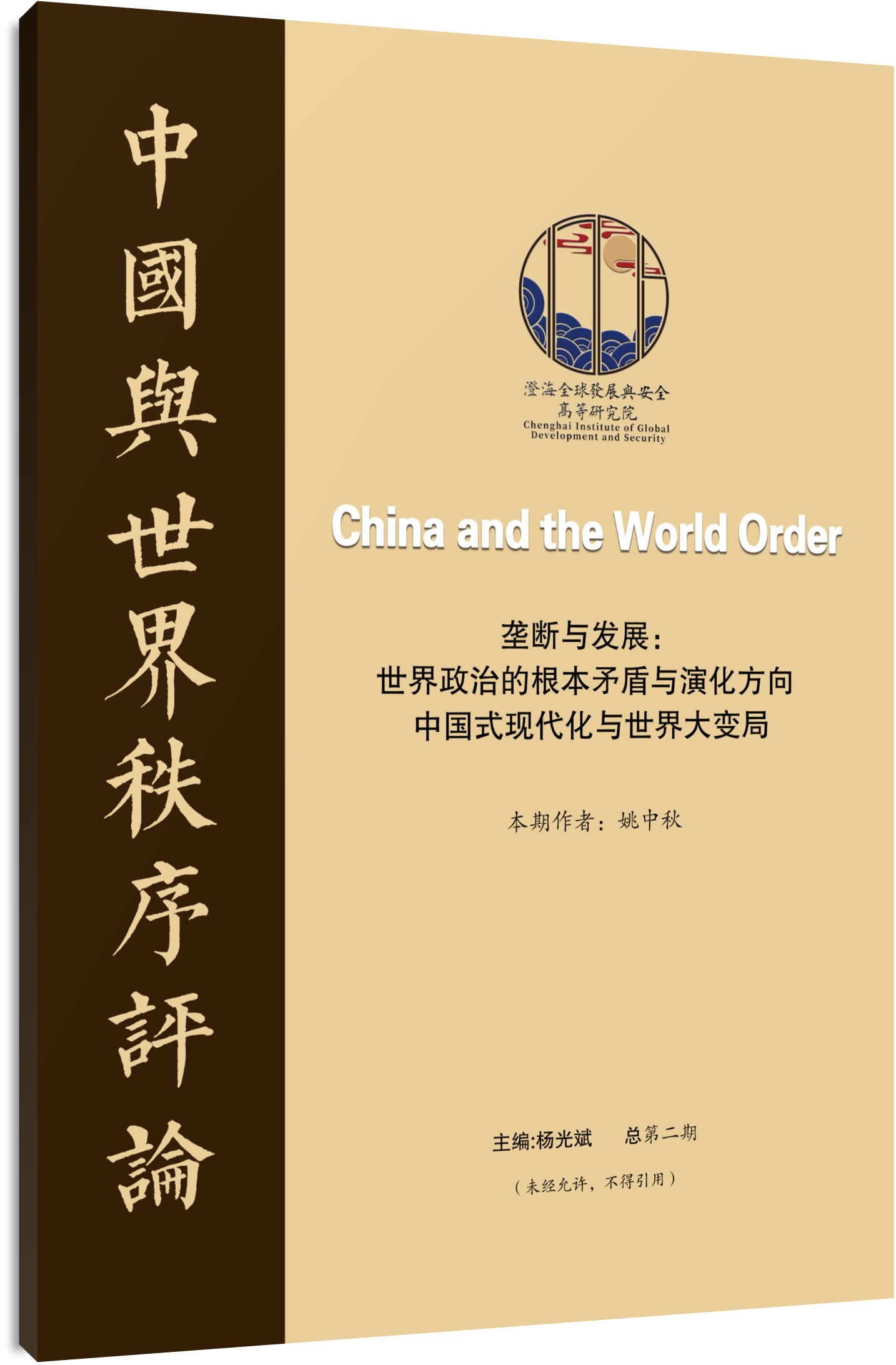
| Issue 2 | Monopoly and Development: The Fundamental Contradiction and Evolutionary Direction of Contemporary World Politics - Chinese Path to Modernization and the Great Transformation of the World | Yao Zhongqiu |
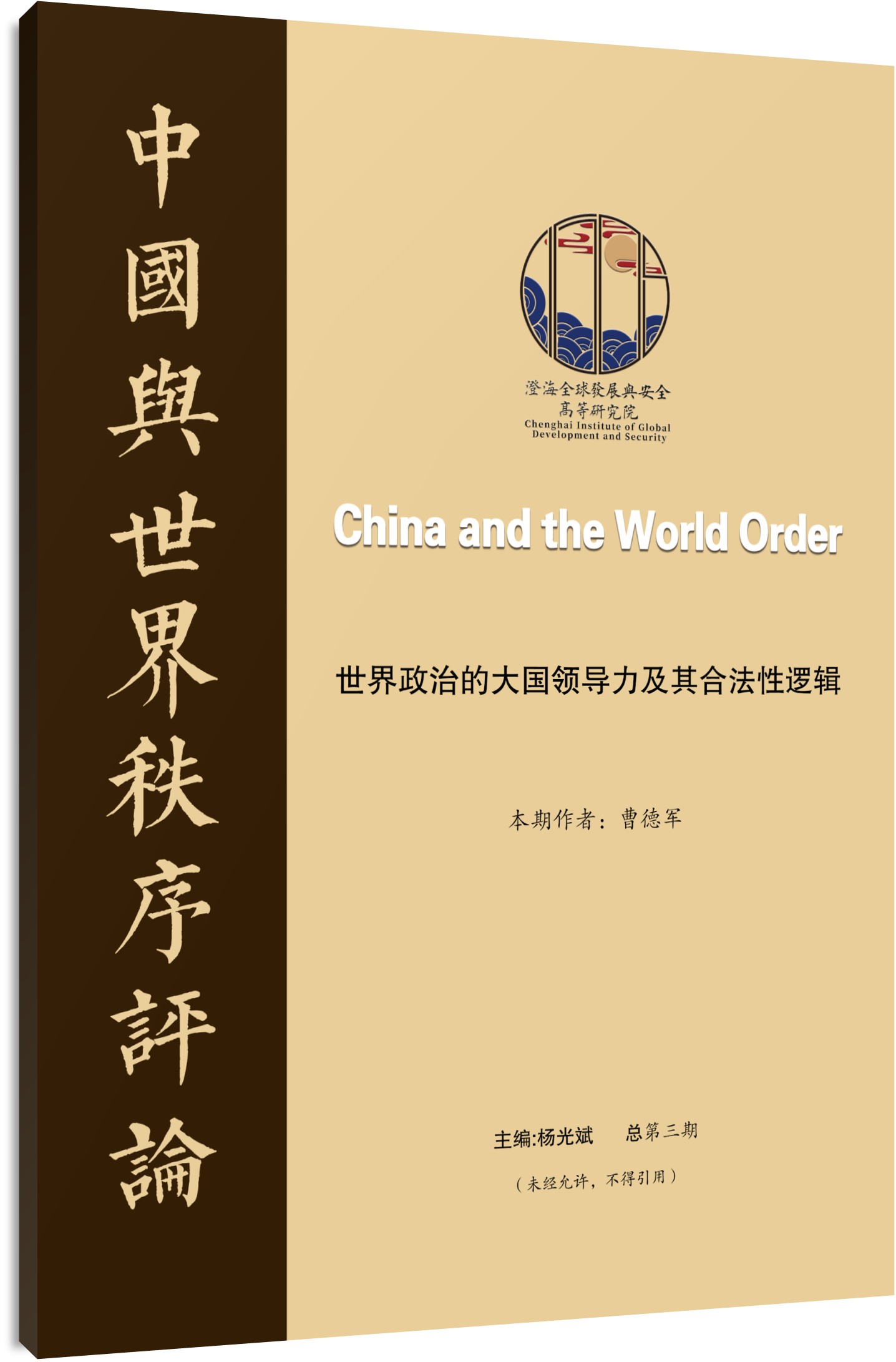
| Issue 3 | Great Power Leadership and Its Legitimacy in World Politics | Cao Dejun |
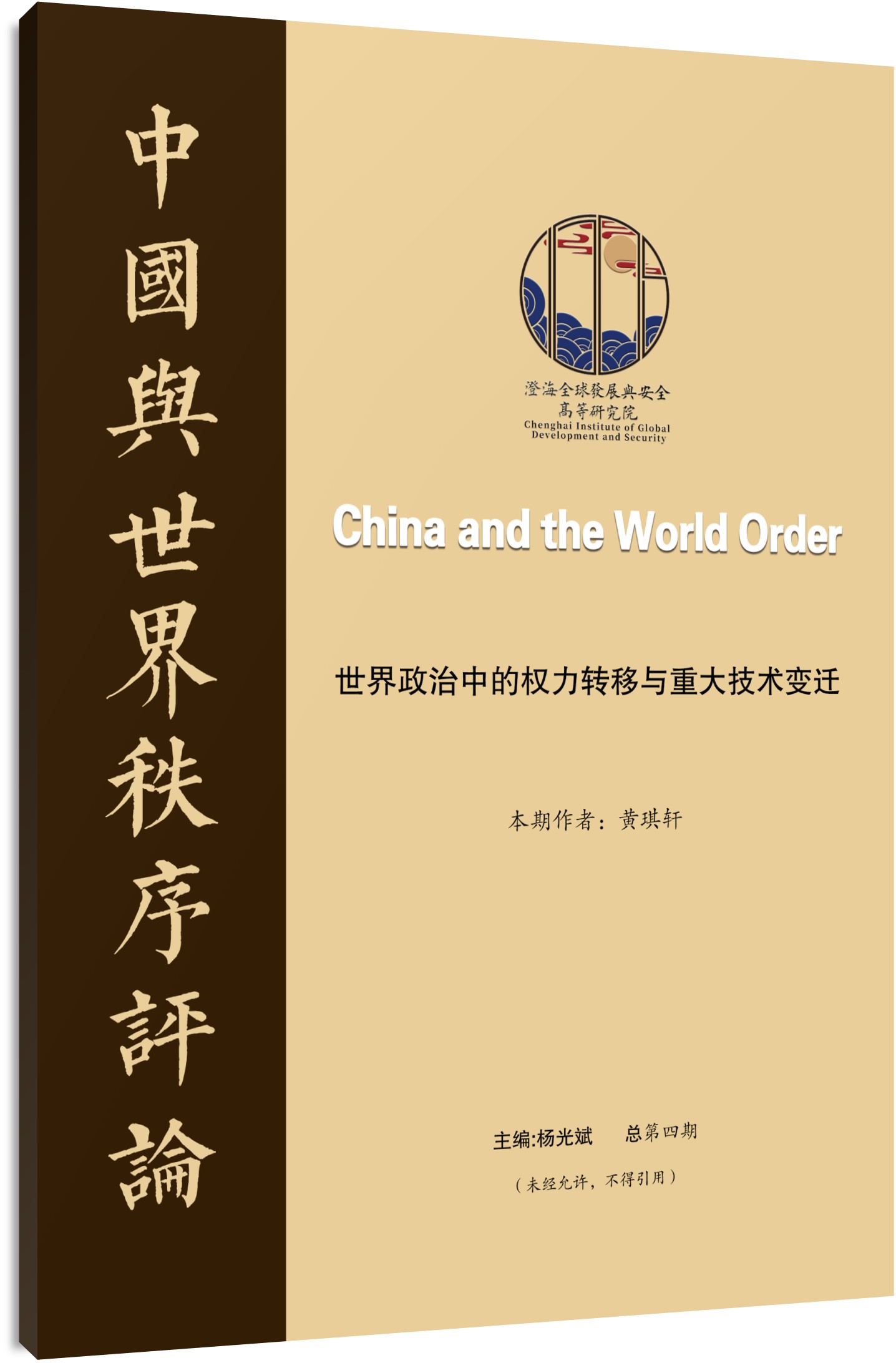
| Issue 4 | Power Shifts and Major Technological Changes in World Politics | Huang Qixuan |
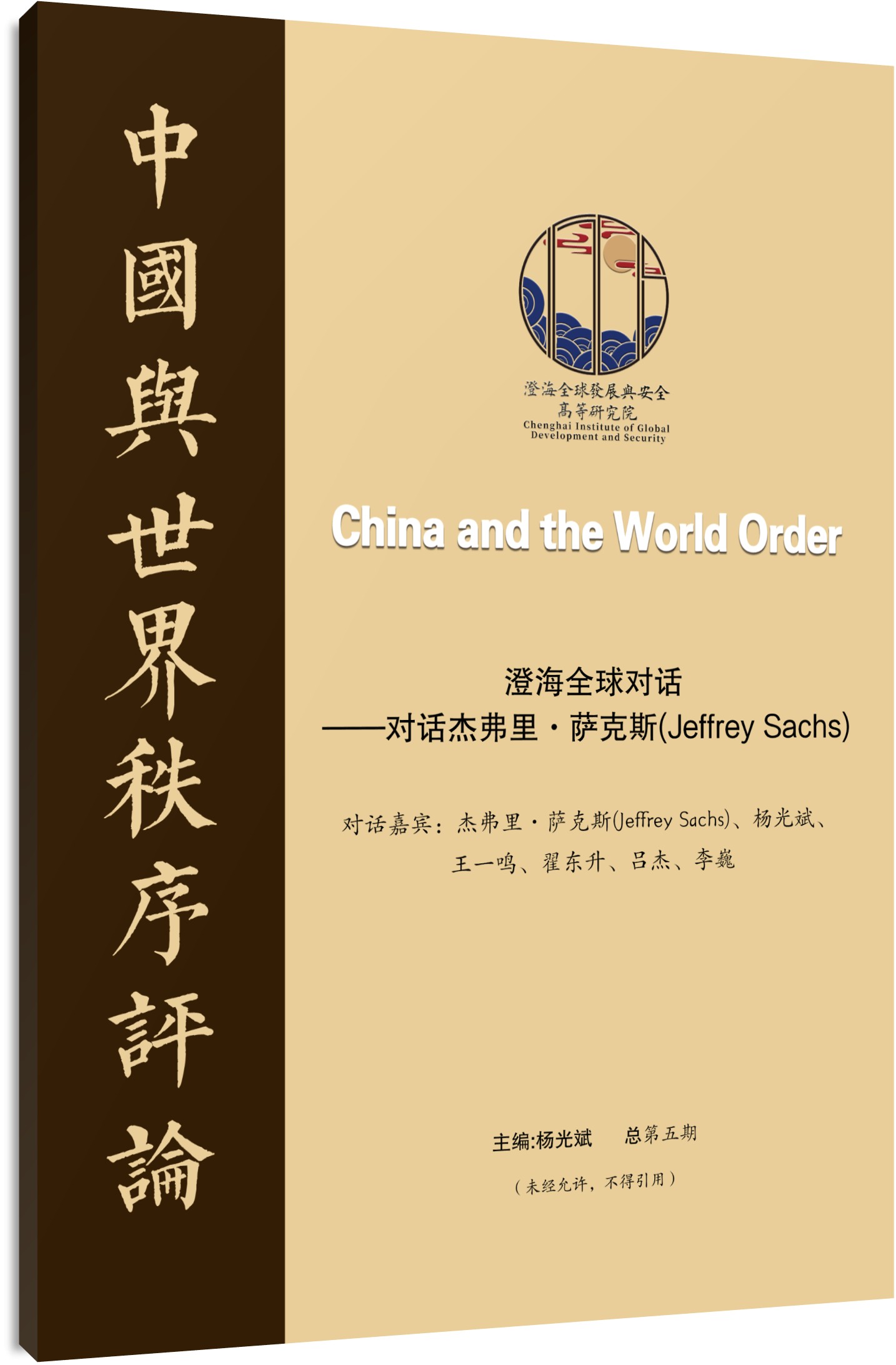
| Issue 5 | Chenghai Global Dialogue: In Conversation with Jeffrey Sachs | Dialogue Guests: Jeffrey Sachs, Yang Guangbin, Wang Yiming, Di Dongsheng, Lyu Jie, Li Wei |
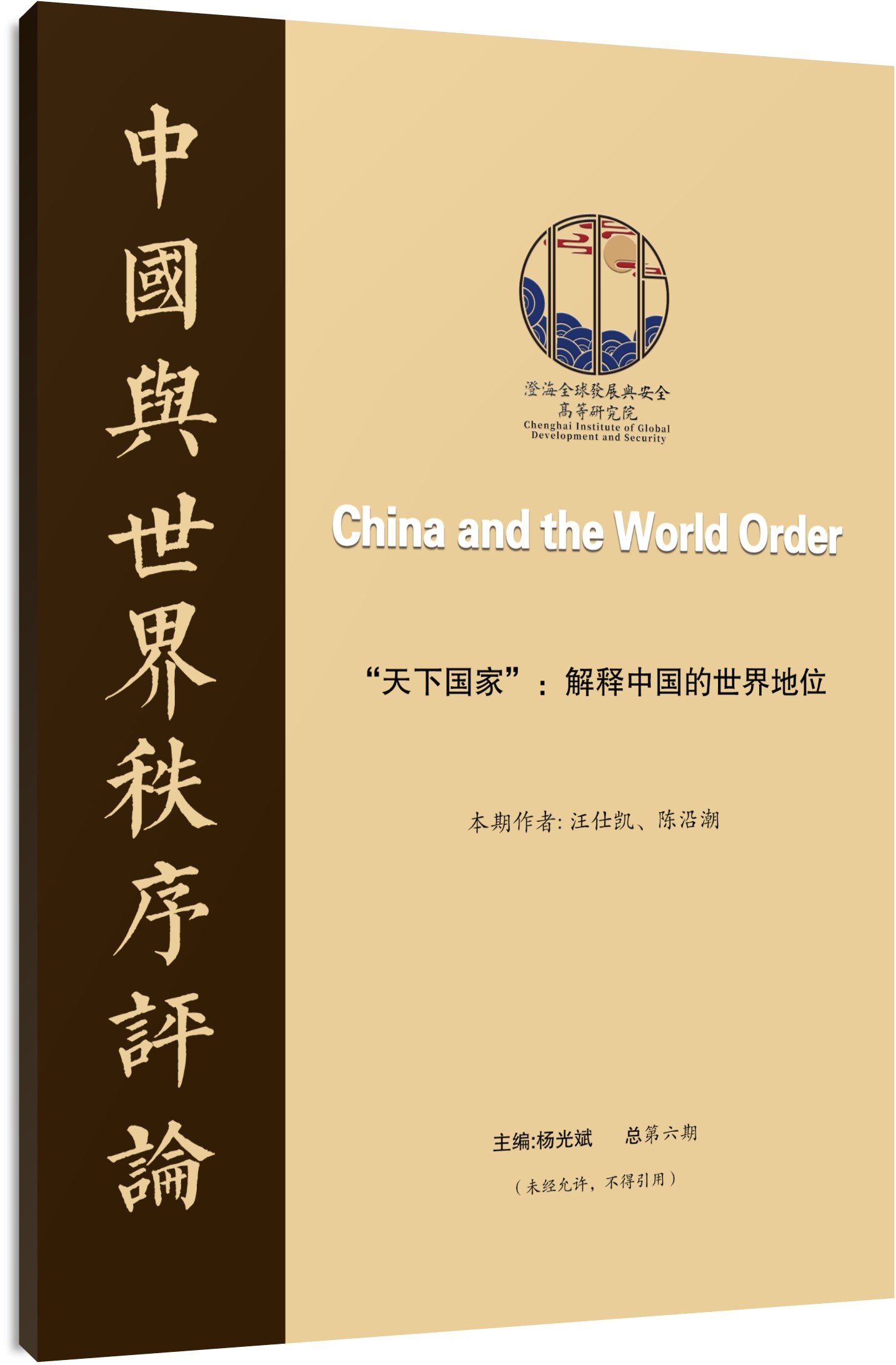
| Issue 6 | "Tianxia-State": An Explanation of the China's Role in the World | Wang Shikai, Chen Yanchao |
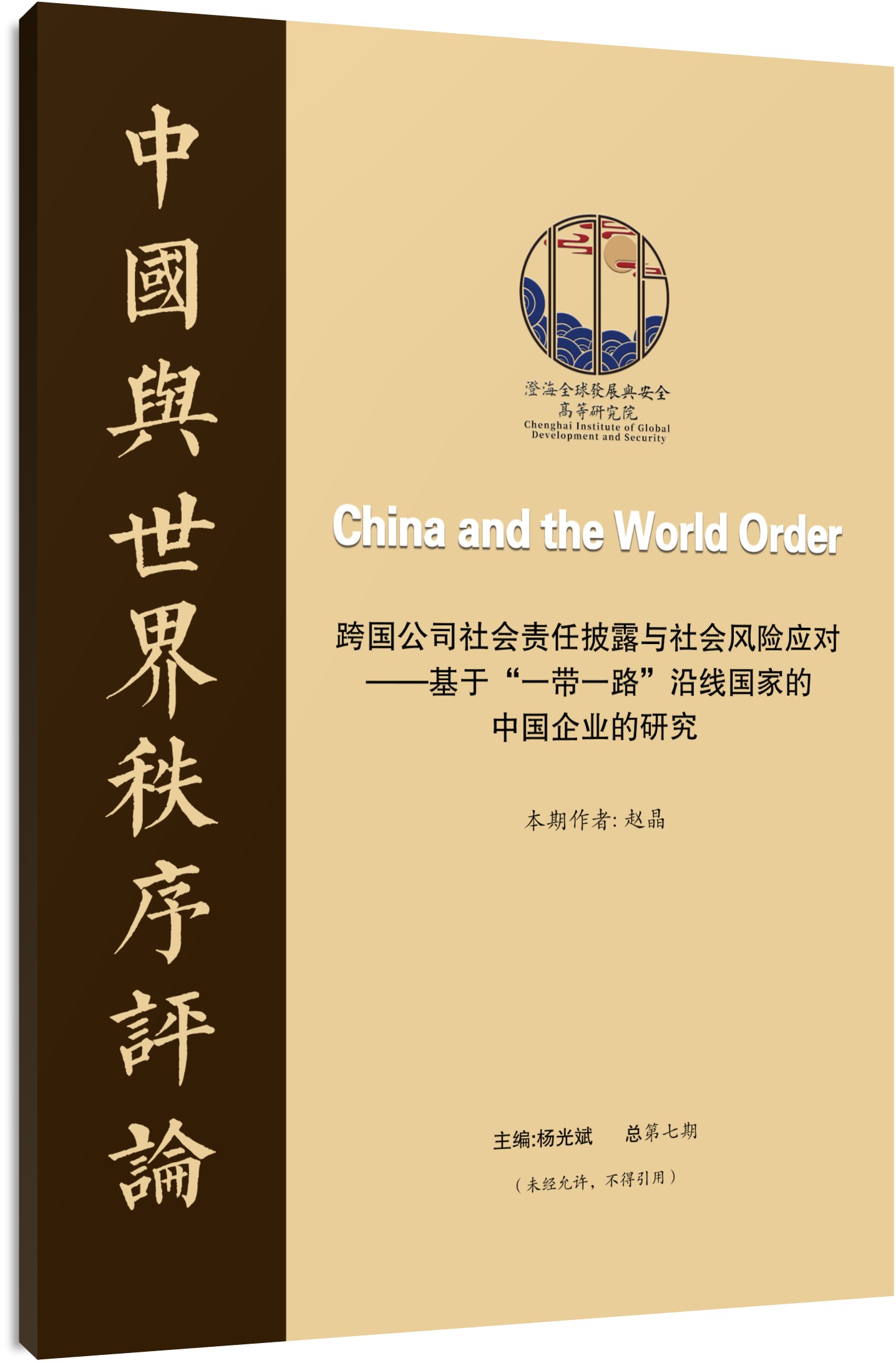
| Issue 7 | Social Responsibility Disclosure and Social Risk Management of Transnational Corporations: A Study of Chinese Enterprises in Countries Along the Belt and Road Initiative | Zhao Jing |
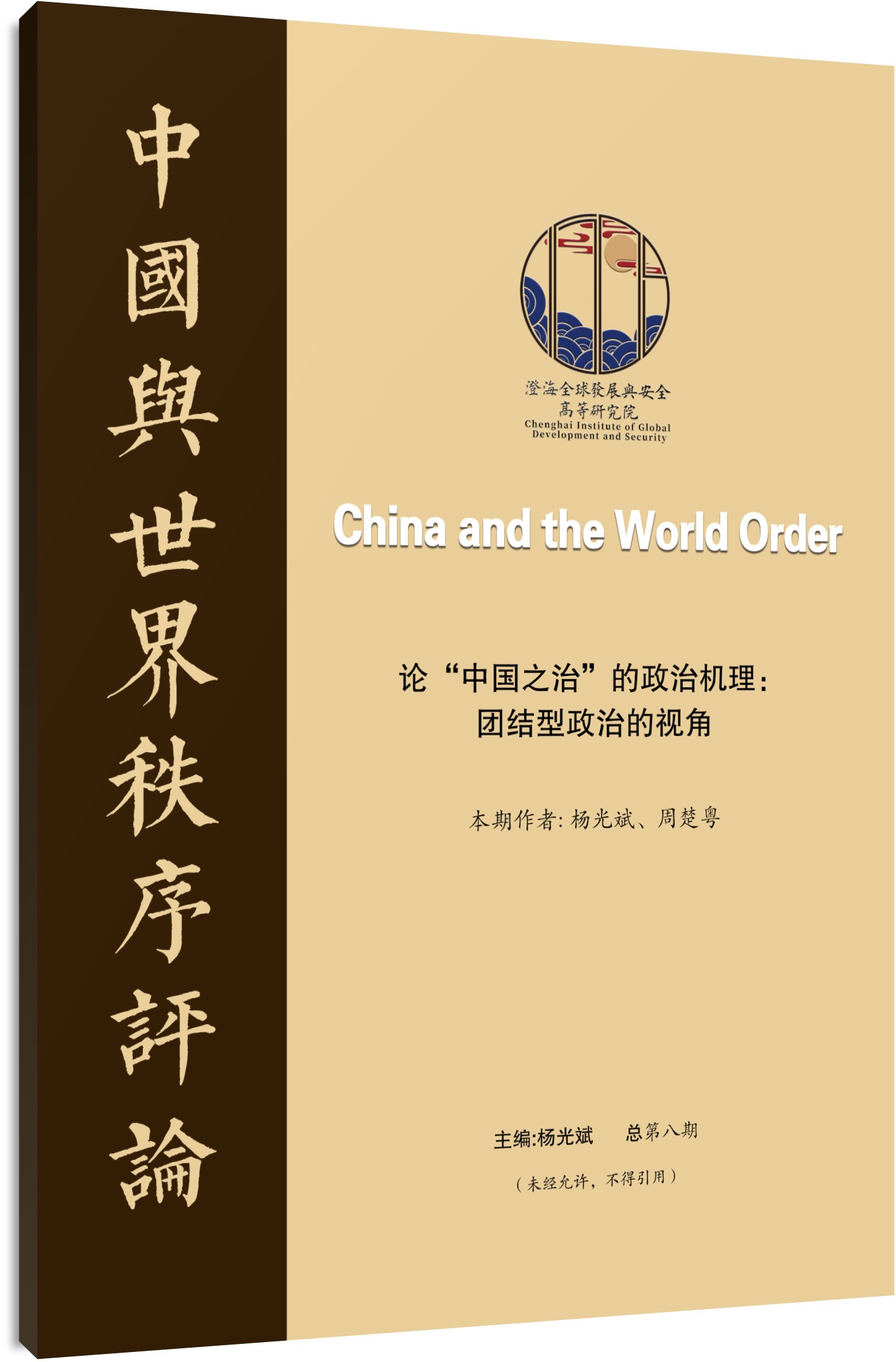
| Issue 8 | On the Political Mechanism of "China's Governance": A Perspective of Unity-Oriented Politics | Yang Guangbin, Zhou Chuyue |
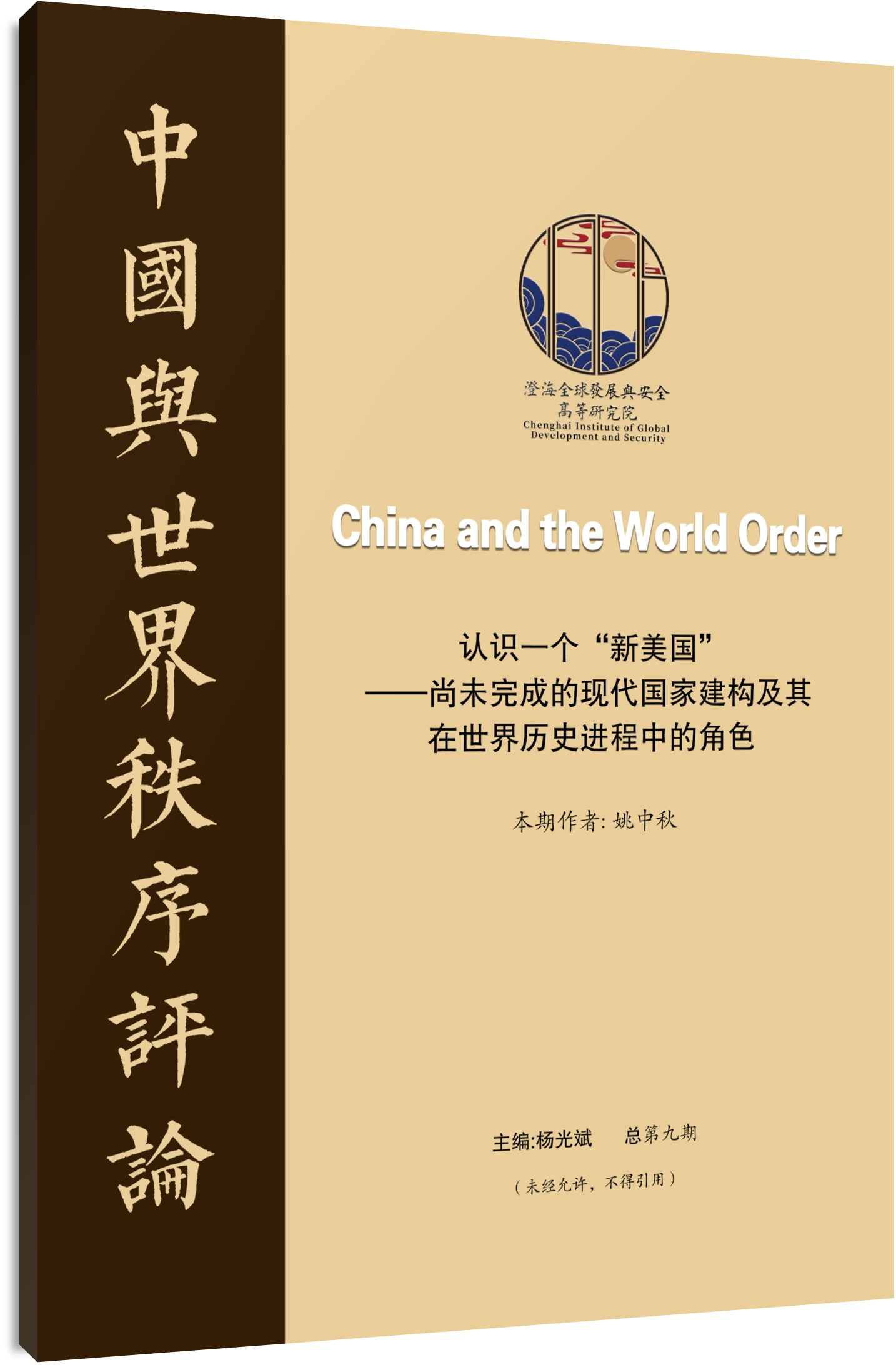
| Issue 9 | Getting to Know a "New America": the Unfinished Modern State-Building and lts Role in World History | Yao Zhongqiu |
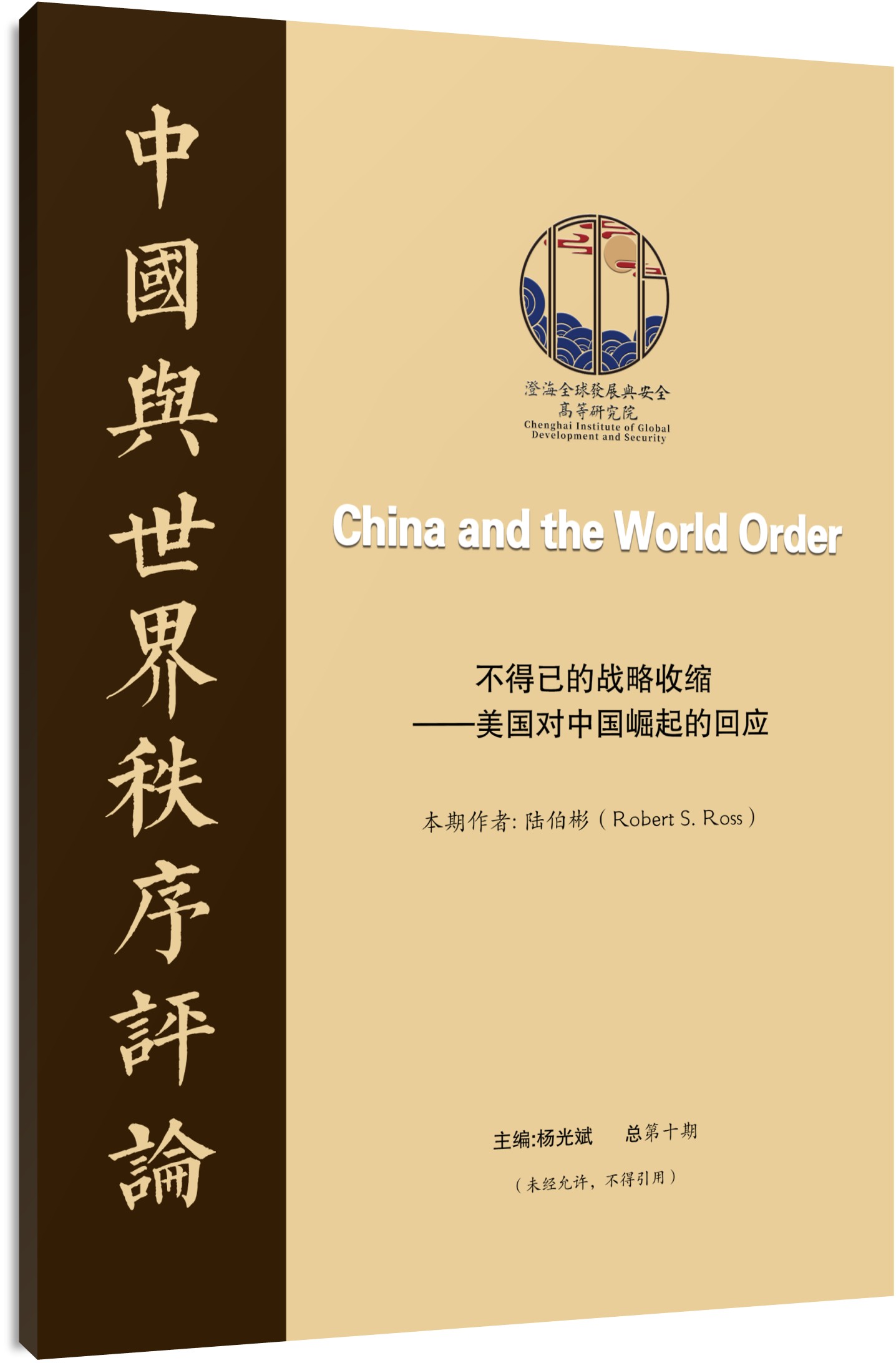
| Issue 10 | Reluctant Retrenchment-America's Response to the Rise of China | Robert S. Ross |
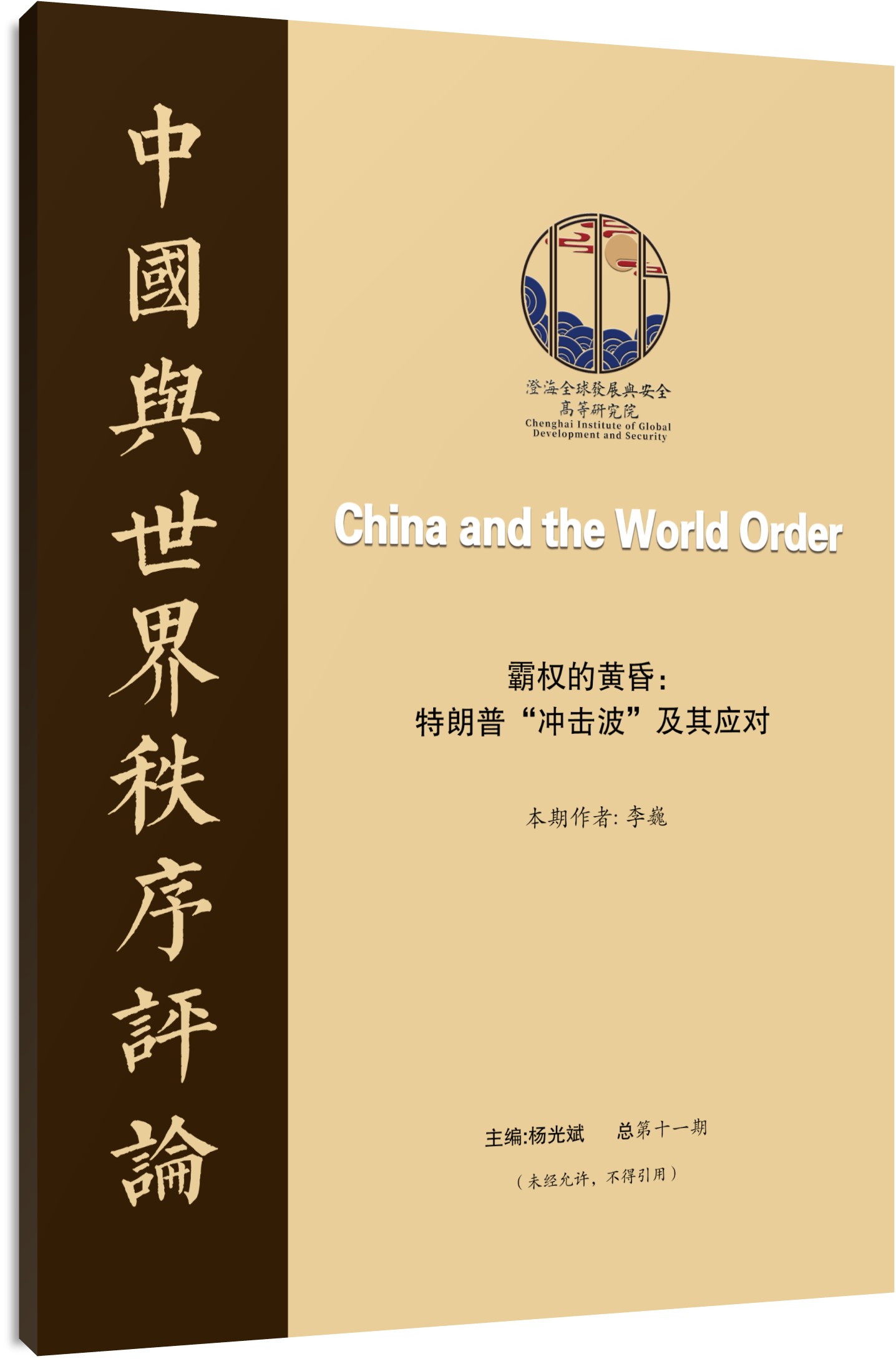
| Issue 11 | The Decline of Hegemony: Trump's "Shockwaves" and China's Strategic Response | Li Wei |
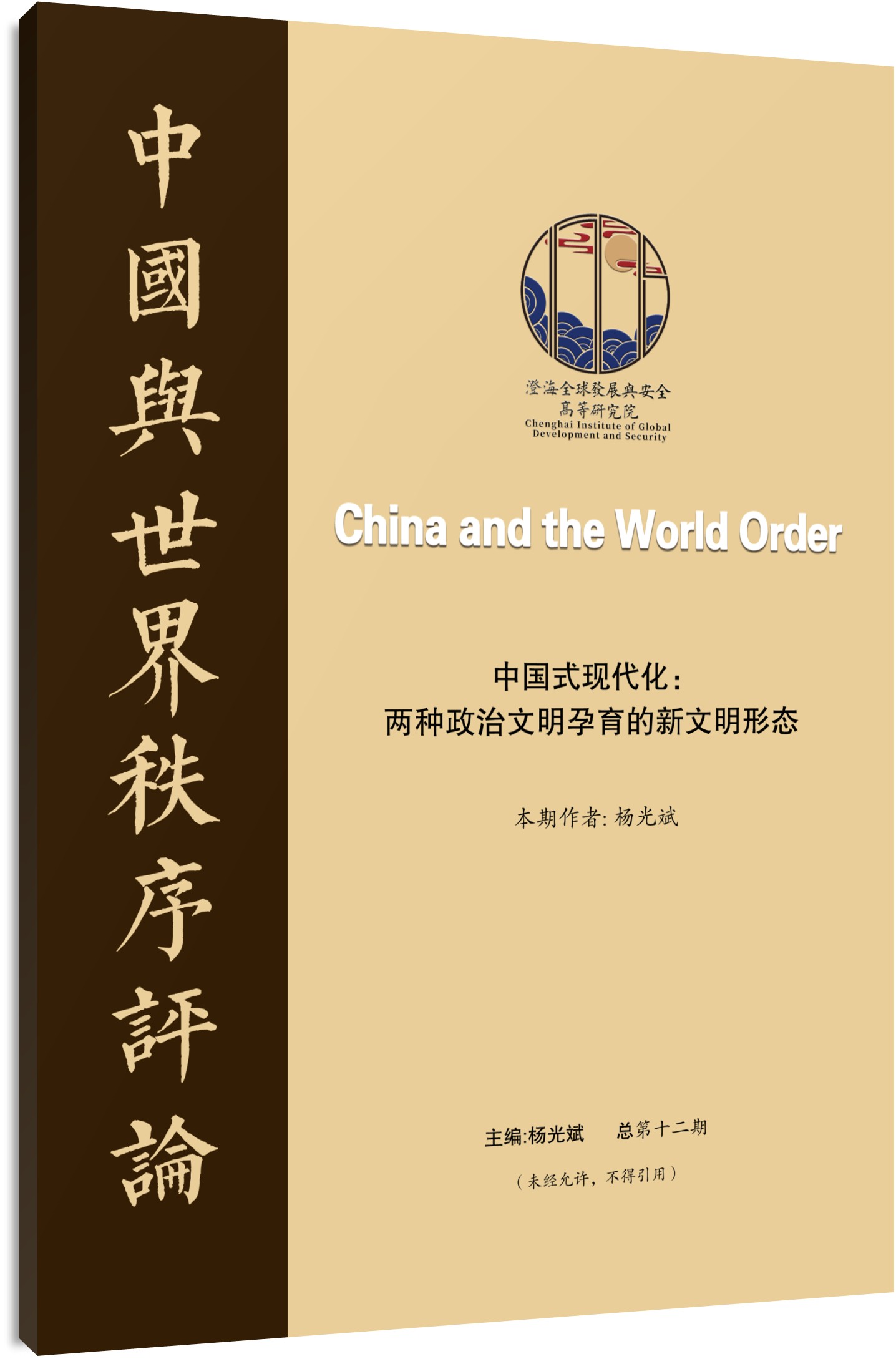
| Issue 12 | Modernization with Chinese Characteristics: A New Civilizational Model Born from Two Political Traditions | Yang Guangbin |
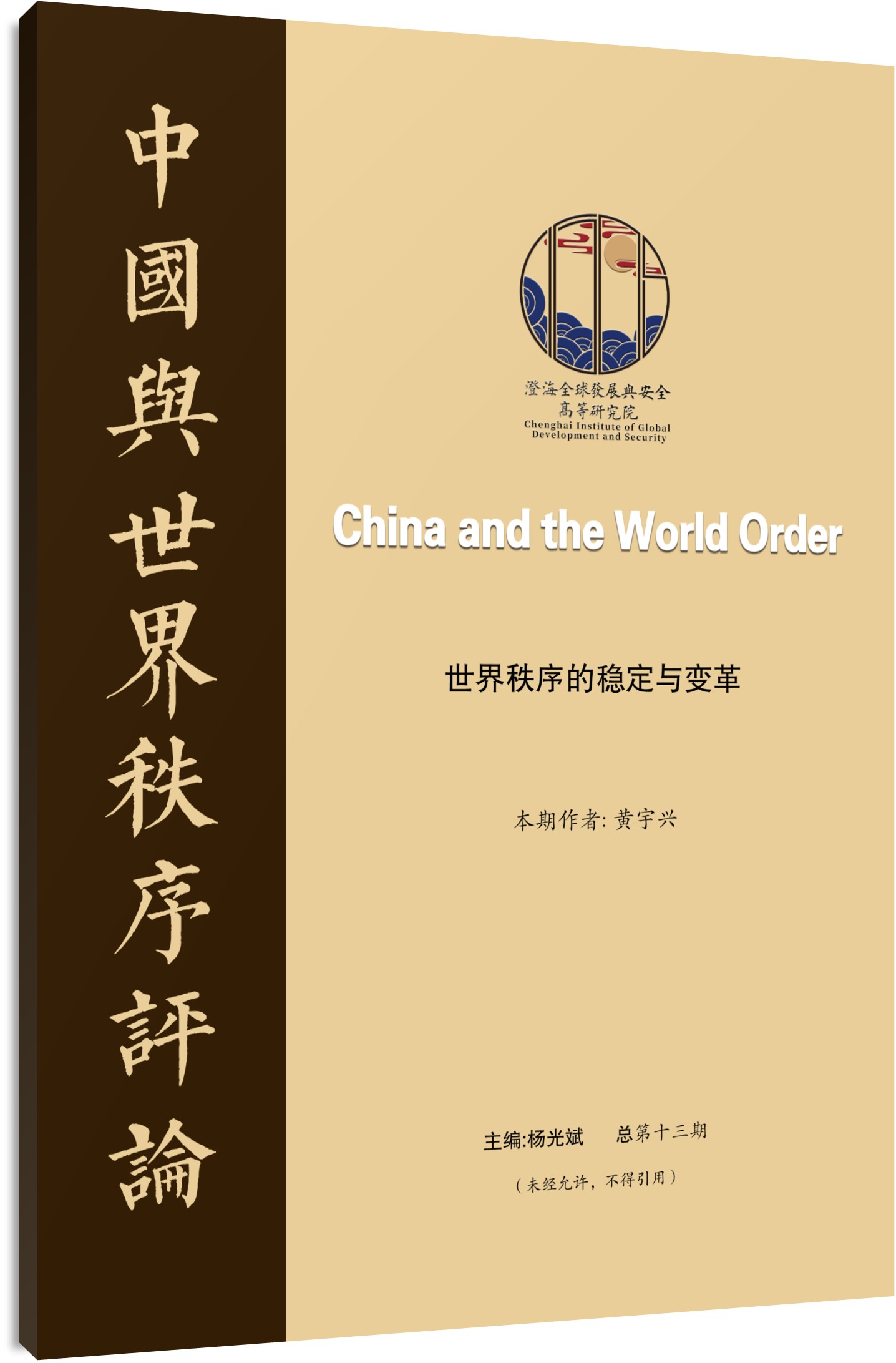
| Issue 13 | The Stability and Transformation of World Order | Huang Yuxing |
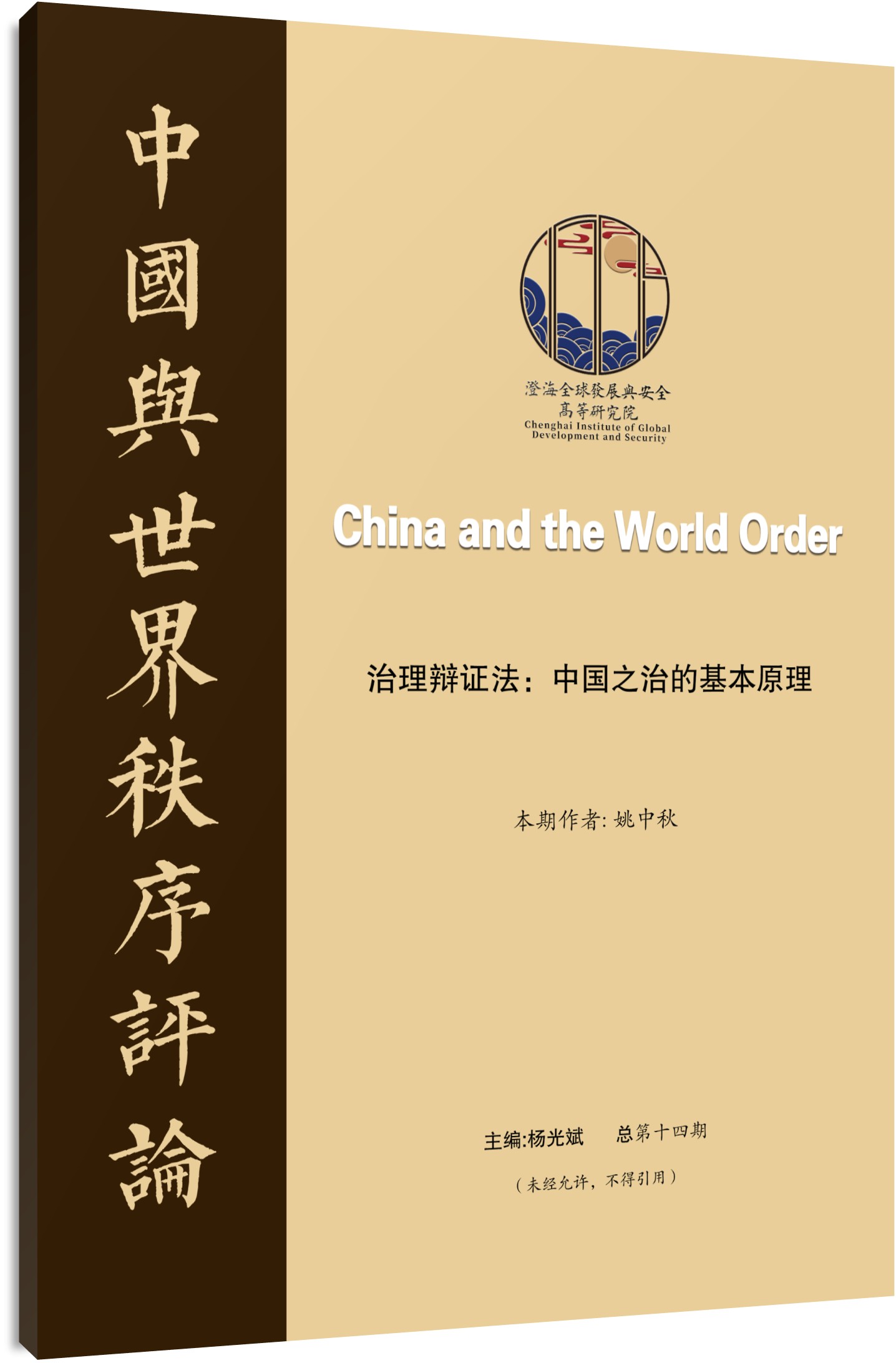
| Issue 14 | The Dialectical Approach to Governance: The Core Principles of China's Governance | Yao Zhongqiu |
World political science regards world politics as an integrated whole, aiming to study the evolution of the nature and basic order of world politics. Its research approach is to examine the common factors and forces that shape the world political landscape and world order, as well as trigger their major changes. World political theories attempt to explain the main factors and mechanisms of order transformation from three dimensions: fundamental driving forces, direct driving forces, and operational mechanisms.
The fundamental driving forces of world politics include technological revolutions, struggles for recognition, capital and the world market, etc. These fundamental driving forces give rise to the direct driving forces of world politics—the ebb and flow of world political thoughts and the changes in the landscape of world political forces. The world political landscape shapes the world political order through such operational mechanisms as power coercion, learning and internalization, and political compromise. Eventually, through domestic and international political struggles, diverse concrete forms of basic international order and national institutions come into being.
To promote the research and academic exchanges of world political science, World Politics Research Center of Chenghai Institute of Global Development and Security has launched a series of publications titled World Politics Briefing. The Briefing is intended to present readers with academic masterpieces closely related to the research agenda of world political science, including monographs and papers published by scholars both at home and abroad in recent years. It is issued on a monthly basis, with each issue introducing the main contents of three academic achievements. The Briefing is for academic research purposes only, and the contents of the compiled works do not represent the views of this Center.
Date:2026.03.06
World political science regards world politics as an integrated whole, aiming to study the evolution of the nature and basic order of world politics. Its research approach is to examine the common factors and forces that shape the world political landscape and world order, as well as trigger their major changes. World political theories attempt to explain the main factors and mechanisms of order transformation from three dimensions: fundamental driving forces, direct driving forces, and operational mechanisms.
The fundamental driving forces of world politics include technological revolutions, struggles for recognition, capital and the world market, etc. These fundamental driving forces give rise to the direct driving forces of world politics—the ebb and flow of world political thoughts and the changes in the landscape of world political forces. The world political landscape shapes the world political order through such operational mechanisms as power coercion, learning and internalization, and political compromise. Eventually, through domestic and international political struggles, diverse concrete forms of basic international order and national institutions come into being.
To promote the research and academic exchanges of world political science, World Politics Research Center of Chenghai Institute of Global Development and Security has launched a series of publications titled World Politics Briefing. The Briefing is intended to present readers with academic masterpieces closely related to the research agenda of world political science, including monographs and papers published by scholars both at home and abroad in recent years. It is issued on a monthly basis, with each issue introducing the main contents of three academic achievements. The Briefing is for academic research purposes only, and the contents of the compiled works do not represent the views of this Center.
Date:2026.01.09
World political science regards world politics as an integrated whole, aiming to study the evolution of the nature and basic order of world politics. Its research approach is to examine the common factors and forces that shape the world political landscape and world order, as well as trigger their major changes. World political theories attempt to explain the main factors and mechanisms of order transformation from three dimensions: fundamental driving forces, direct driving forces, and operational mechanisms.
The fundamental driving forces of world politics include technological revolutions, struggles for recognition, capital and the world market, etc. These fundamental driving forces give rise to the direct driving forces of world politics—the ebb and flow of world political thoughts and the changes in the landscape of world political forces. The world political landscape shapes the world political order through such operational mechanisms as power coercion, learning and internalization, and political compromise. Eventually, through domestic and international political struggles, diverse concrete forms of basic international order and national institutions come into being.
To promote the research and academic exchanges of world political science, World Politics Research Center of Chenghai Institute of Global Development and Security has launched a series of publications titled World Politics Briefing. The Briefing is intended to present readers with academic masterpieces closely related to the research agenda of world political science, including monographs and papers published by scholars both at home and abroad in recent years. It is issued on a monthly basis, with each issue introducing the main contents of three academic achievements. The Briefing is for academic research purposes only, and the contents of the compiled works do not represent the views of this Center.
Date:2025.12.23
World political science regards world politics as an integrated whole, aiming to study the evolution of the nature and basic order of world politics. Its research approach is to examine the common factors and forces that shape the world political landscape and world order, as well as trigger their major changes. World political theories attempt to explain the main factors and mechanisms of order transformation from three dimensions: fundamental driving forces, direct driving forces, and operational mechanisms.
The fundamental driving forces of world politics include technological revolutions, struggles for recognition, capital and the world market, etc. These fundamental driving forces give rise to the direct driving forces of world politics—the ebb and flow of world political thoughts and the changes in the landscape of world political forces. The world political landscape shapes the world political order through such operational mechanisms as power coercion, learning and internalization, and political compromise. Eventually, through domestic and international political struggles, diverse concrete forms of basic international order and national institutions come into being.
To promote the research and academic exchanges of world political science, World Politics Research Center of Chenghai Institute of Global Development and Security has launched a series of publications titled World Politics Briefing. The Briefing is intended to present readers with academic masterpieces closely related to the research agenda of world political science, including monographs and papers published by scholars both at home and abroad in recent years. It is issued on a monthly basis, with each issue introducing the main contents of three academic achievements. The Briefing is for academic research purposes only, and the contents of the compiled works do not represent the views of this Center.
Date:2025.12.23
World political science regards world politics as an integrated whole, aiming to study the evolution of the nature and basic order of world politics. Its research approach is to examine the common factors and forces that shape the world political landscape and world order, as well as trigger their major changes. World political theories attempt to explain the main factors and mechanisms of order transformation from three dimensions: fundamental driving forces, direct driving forces, and operational mechanisms.
The fundamental driving forces of world politics include technological revolutions, struggles for recognition, capital and the world market, etc. These fundamental driving forces give rise to the direct driving forces of world politics—the ebb and flow of world political thoughts and the changes in the landscape of world political forces. The world political landscape shapes the world political order through such operational mechanisms as power coercion, learning and internalization, and political compromise. Eventually, through domestic and international political struggles, diverse concrete forms of basic international order and national institutions come into being.
To promote the research and academic exchanges of world political science, World Politics Research Center of Chenghai Institute of Global Development and Security has launched a series of publications titled World Politics Briefing. The Briefing is intended to present readers with academic masterpieces closely related to the research agenda of world political science, including monographs and papers published by scholars both at home and abroad in recent years. It is issued on a monthly basis, with each issue introducing the main contents of three academic achievements. The Briefing is for academic research purposes only, and the contents of the compiled works do not represent the views of this Center.
Date:2025.10.13
World political science regards world politics as an integrated whole, aiming to study the evolution of the nature and basic order of world politics. Its research approach is to examine the common factors and forces that shape the world political landscape and world order, as well as trigger their major changes. World political theories attempt to explain the main factors and mechanisms of order transformation from three dimensions: fundamental driving forces, direct driving forces, and operational mechanisms.
The fundamental driving forces of world politics include technological revolutions, struggles for recognition, capital and the world market, etc. These fundamental driving forces give rise to the direct driving forces of world politics—the ebb and flow of world political thoughts and the changes in the landscape of world political forces. The world political landscape shapes the world political order through such operational mechanisms as power coercion, learning and internalization, and political compromise. Eventually, through domestic and international political struggles, diverse concrete forms of basic international order and national institutions come into being.
To promote the research and academic exchanges of world political science, World Politics Research Center of Chenghai Institute of Global Development and Security has launched a series of publications titled World Politics Briefing. The Briefing is intended to present readers with academic masterpieces closely related to the research agenda of world political science, including monographs and papers published by scholars both at home and abroad in recent years. It is issued on a monthly basis, with each issue introducing the main contents of three academic achievements. The Briefing is for academic research purposes only, and the contents of the compiled works do not represent the views of this Center.
Date:2025.09.05