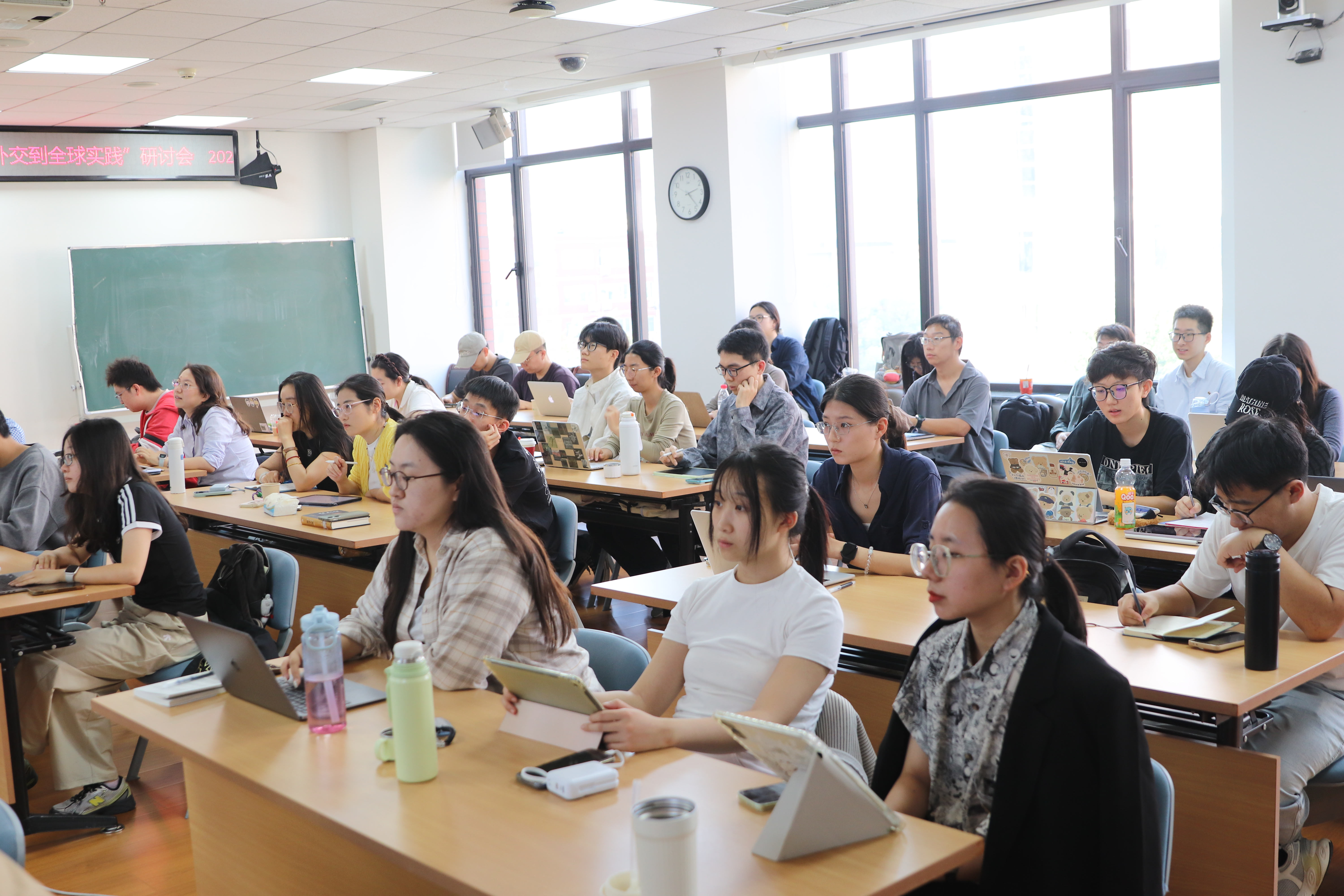
On Oct. 11, 2026, the Parallel Forum Ⅶ of the Tongzhou Global Development Forum, themed “China’s Vision of Common Security: From Neighborhood Diplomacy to Global Practice”, hosted by Chenghai Institute of Global Development and Security, was held at Renmin university of China (Zhongguancun Campus). Huang Yuxing, Director of the Research Center for World Politics at Chenghai Institute and Professor at the School of International Studies, Renmin University of China, presented Chenghai Global Security Report 2026 :China’s Vision of Common Security: From Neighborhood Diplomacy to Global Practice. Scholars from the Party School of the CPC Central Committee (National Academy of Governance), Chinese Academy of Social Sciences, Peking University, Tsinghua University, Fudan University and Renmin University of China conducted in-depth discussions on such topics as the theoretical connotations of the Common Security Concept, its practice in peripheral security, and global security governance.
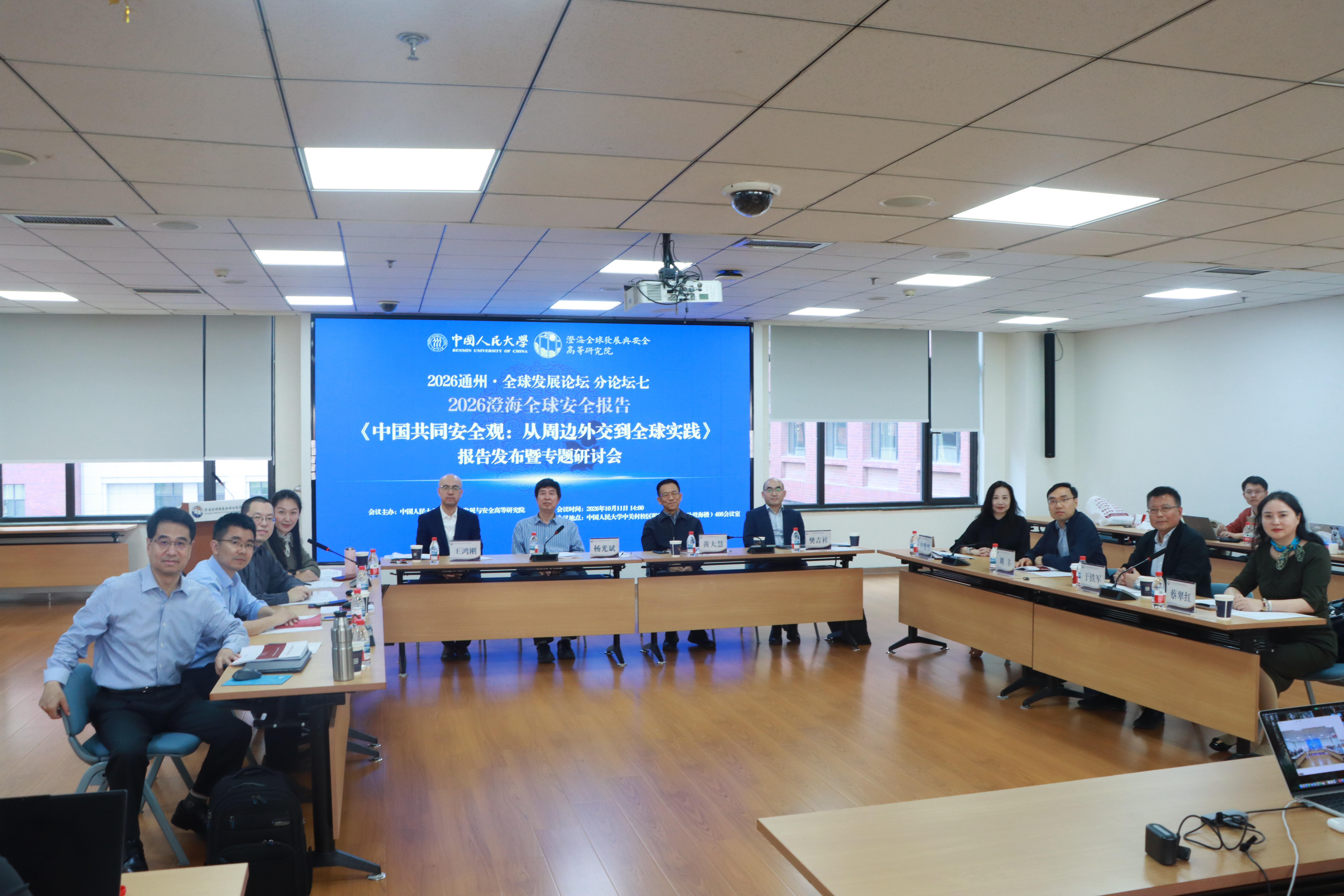
Ma Jiahong, Deputy Director of the Research Center for World Politics at Chenghai Institute and Associate Professor at the School of International Studies, Renmin University of China, hosted the seminar.
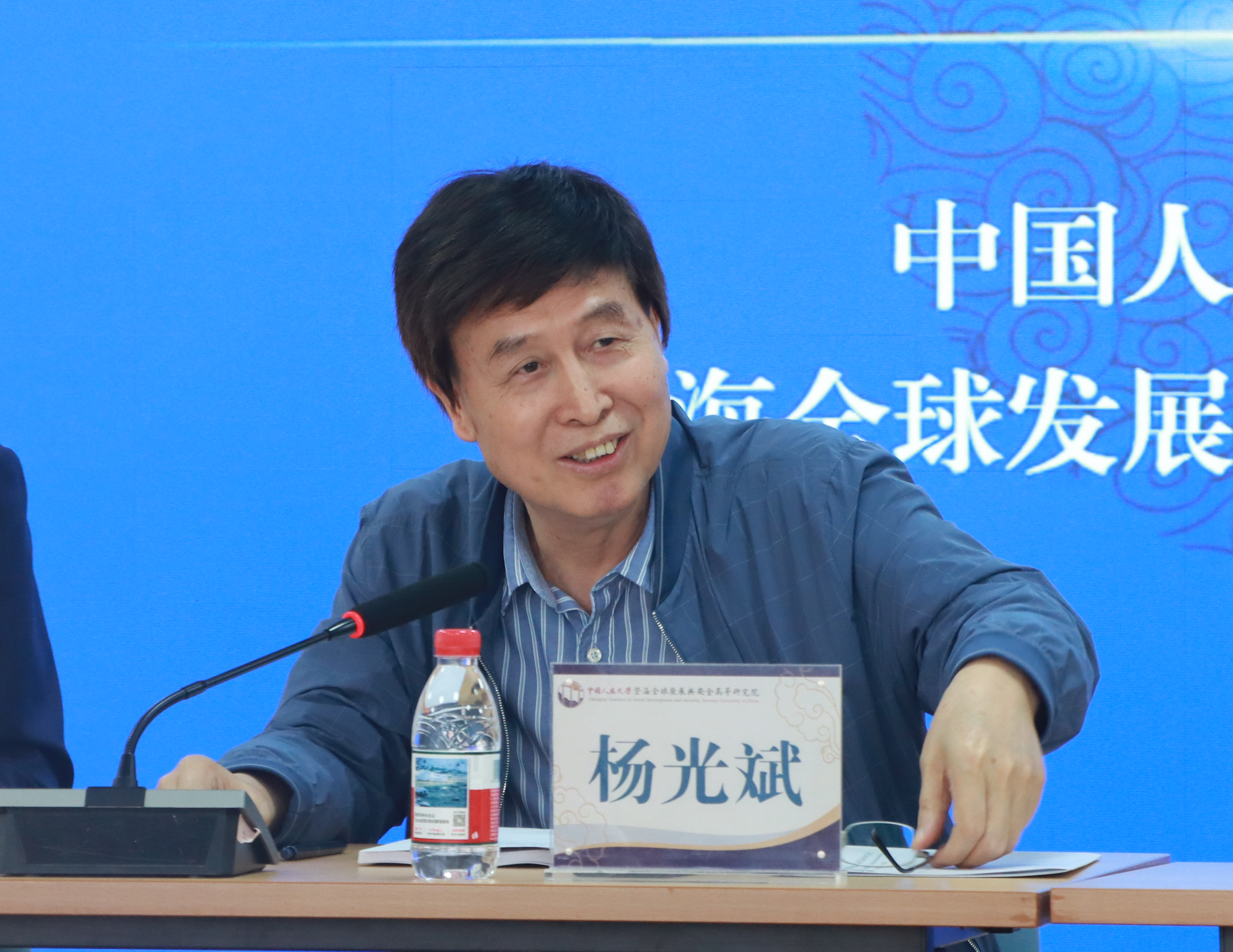
At the outset of the seminar, Professor Yang Guangbin, National Grade Ⅰ Professor at Renmin University of China and Director-general of the Chenghai Institute, delivered the opening address. He noted that Chenghai Institute, grounded in rigorous academic inquiry for grand strategic studies, commits itself to research on major strategic issues with theoretical depth. China has achieved its peaceful rise, moving from the periphery to the core of the world system. Especially in industrial production, manufacturing capacity, and global industrial and supply chains, it has profoundly transformed the structure and nature of the existing world system. Professor Yang Guangbin stated that China’s peaceful rise offers a new historical case of great-power ascent. Its uniqueness lies in the fact that national rise is achieved through peaceful development and common security, which presents a new research subject for the study of international relations theory. He emphasized that future research needs to further address important questions such as how China achieved its peaceful rise and how this development path will shape China’s role within the world order. Meanwhile, for a major power like China, its own development trajectory largely determines the prospects of the world order. The relationship between China and the world order ought to be examined from a broader strategic perspective.
Event Recap · Session I
Session I featured the launch event for Chenghai Global Security Report 2026, in which Professor Huang Yuxing presented the report China’s Vision of Common Security: From Neighborhood Diplomacy to Global Practice (hereinafter referred to as “the Report”). Huang Dahui, Professor at the School of International Studies and Chief Expert of the Interdisciplinary Platform for National Security,Renmin University of China, Wang Honggang, Director and Research Fellow of the Institute for Peace and Development, Chinese Academy of Social Sciences, and Fan Jishe, Deputy Director and Research Fellow of the Institute of International Strategy, Party School of the CPC Central Committee (National Academy of Governance, delivered comments and engaged in discussions on the Report.
Professor Huang Yuxing firstly introduced the research background of the Report and its main contents. Starting from the limitations of traditional security theories, the report systematically sorts out the intellectual origins, historical evolution and practical implementation of China’s Common Security Concept.
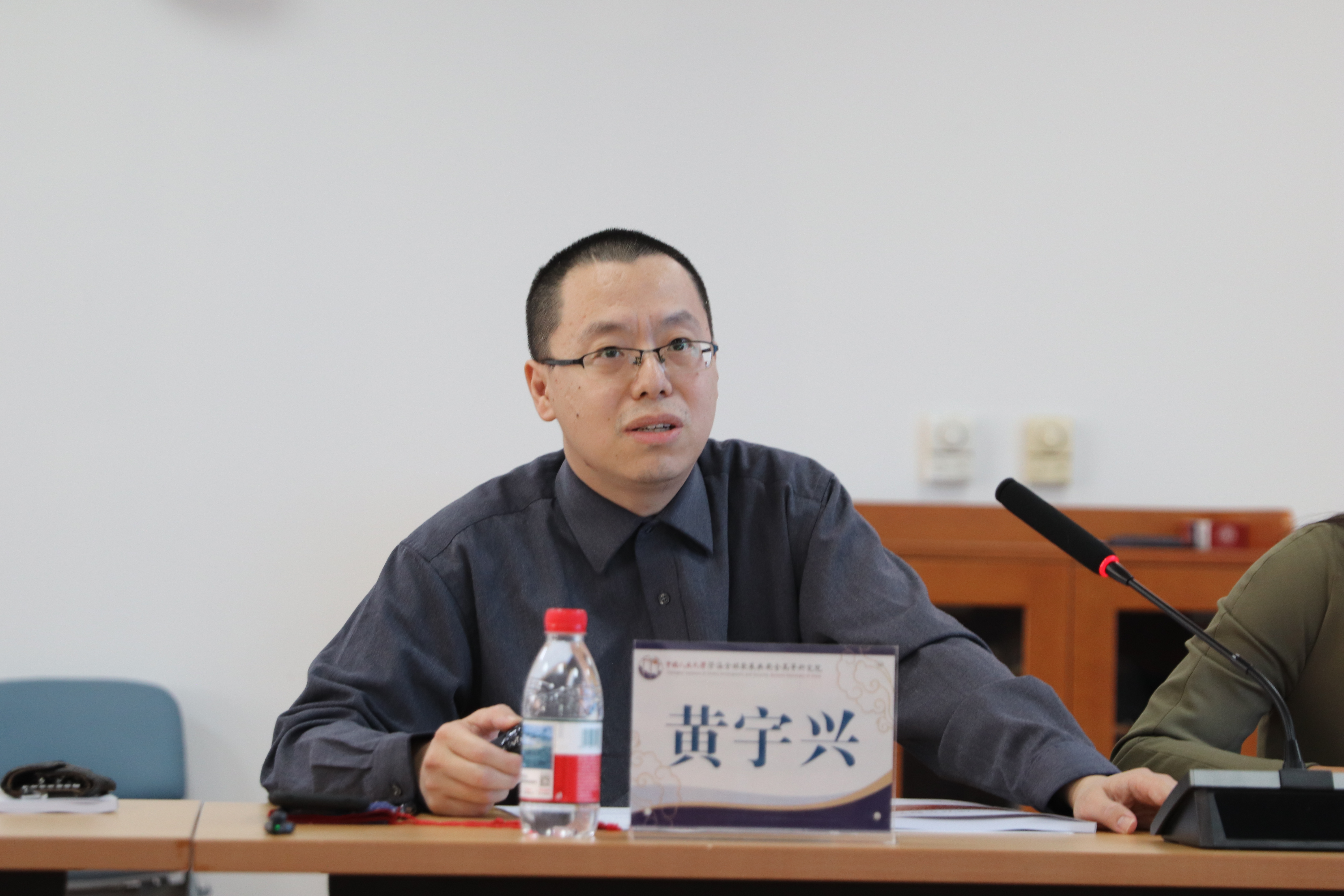
Professor Huang Yuxing pointed out that traditional Western security theories center on sovereign states responding to military threats, emphasizing deterrence, alliances and collective security. Nevertheless, these theories are confronted with issues such as the self-fulfilling perception of security threats and the difficulty in honoring security commitments. While securitization theory has broadened the research horizon, it fails to fully explain the conditions for securitization and desecuritization. Professor Huang Yuxing holds that China’s Concept of Common Security is rooted in the intellectual resources of Marxism and China’s fine traditional culture. It embodies the theoretical approaches of historical materialism and dialectical materialism, and also incorporates traditional ideas including the worldview of TianXia (all-under-heaven), the conception of righteousness and interest, and the principle that the people are the foundation of the state. From the united front in the revolutionary period, the Five Principles of Peaceful Coexistence after the founding of the People’s Republic of China, to the New Security Concept in the reform and opening-up era, the CPC’s security practices maintain historical continuity. In the new era, the Overall National Security Outlook, the vision of a community with a shared future for mankind, and the Global Security Initiative have further enriched the connotation of the Concept of Common Security. At the practical level, Professor Huang Yuxing emphasized that regional and peripheral security disagreements should be resolved through dialogue and negotiation to prevent conflicts from escalating. Meanwhile, it is necessary to strengthen the early identification and prevention of non-traditional security risks and stop ordinary governance issues from evolving into security concerns. He concluded that security studies should guard against the over-expansion of the security concept while attaching importance to integrating conceptual innovation with practical exploration.
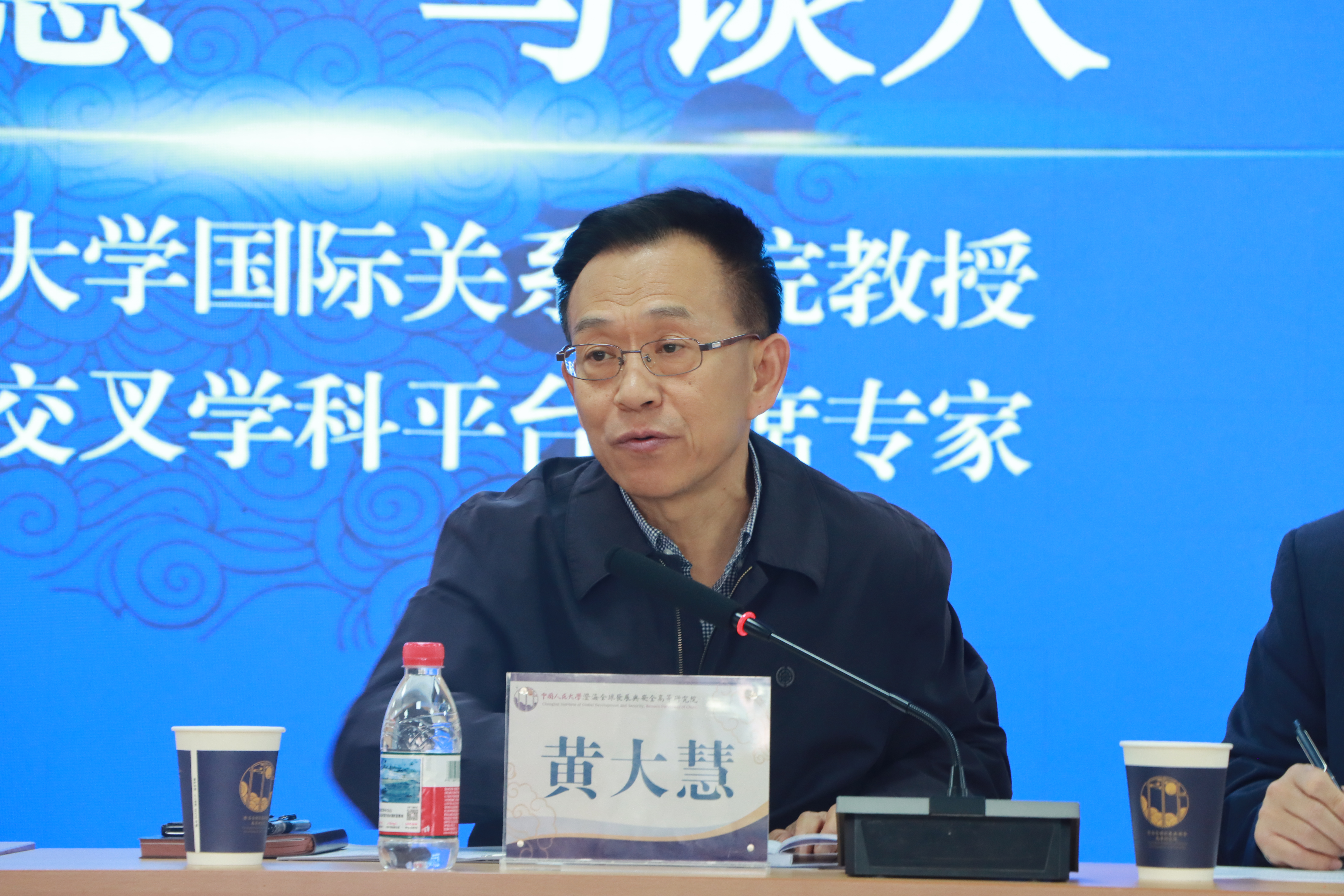
During the comment session, Professor Huang Dahui delivered remarks on the ideological origins and theoretical value of the Concept of Common Security. Common security constitutes an important component of the Overall National Security Outlook. The report conducts conceptual discrimination from “security" to "common security”, and traces the historical evolution of the CPC’s security concepts from the perspective of the “Two Integrations”. This helps foster China’s independent knowledge system. Professor Huang pointed out that the Overall National Security Outlook is the product of the integration of Marxist national security theory, China’s fine traditional strategic culture and contemporary national security practices of China. Meanwhile, the concept of common security was not first put forward by China. In the 1980s, against the backdrop of intensifying nuclear weapons threats, the international community launched relevant discussions, focusing on how humanity could survive together. China’s Concept of Common Security further responds to the deficit in global security governance and places greater emphasis on addressing practical governance issues. He also outlined the evolutionary trajectory from the Five Principles of Peaceful Coexistence to the Global Security Initiative, arguing that China’s Concept of Common Security features both historical continuity and contemporary innovativeness and offers new thinking for global security governance.
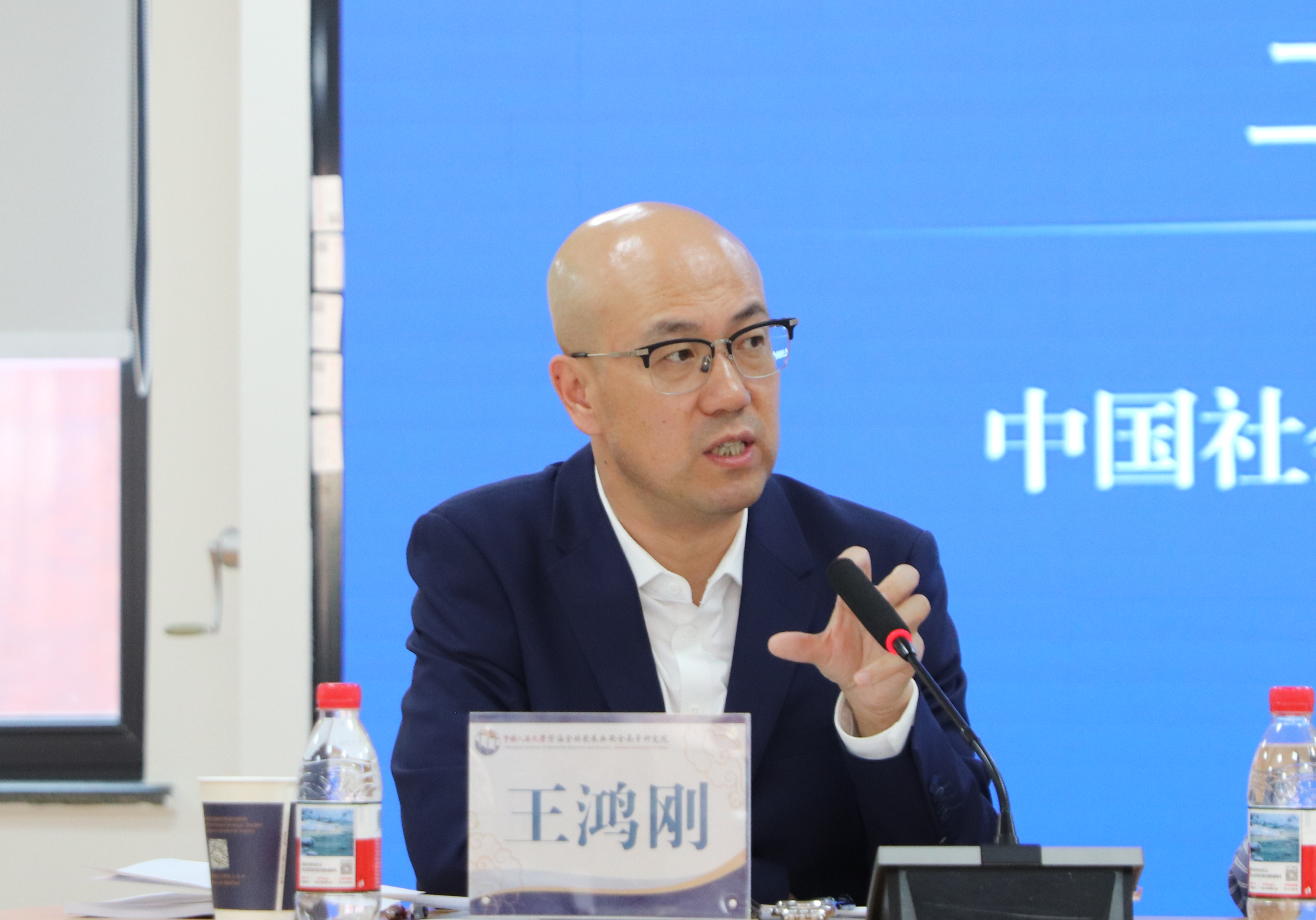
Research Fellow Wang Honggang elaborated on the two tasks of the report from the perspectives of discipline development and the international situation: first, to conduct a systematic theoretical interpretation of common security, this important policy concept, and enhance its academic explanatory power; second, to explain a practical issue in contemporary international politics, namely why China’s periphery has maintained relative peace and stability amid ongoing military conflicts across many parts of the globe. Research Fellow Wang Honggang pointed out that area studies requires not only in-depth and meticulous research on specific regions, but also attention to international issues that transcend individual nation-states. National security studies, on the other hand, needs to reflect on the relationship between national security and international common security. Within a security environment where some countries increasingly emphasize "my country first", it is necessary for China to put forward a new vision that balances its own security with that of other nations, as well as shared development and common security. He holds that common security is not an ideal devoid of practical foundations. Global industrial division of labor and economic interdependence, security cooperation experience accumulated since World War II, together with the United Nations and regional cooperation mechanisms, have created conditions for its realization. Meanwhile, security environments vary across different sub-regions surrounding China, and issues such as artificial intelligence, public health, climate and ecology keep expanding the practical scope of common security.
Research Fellow Fan Jishe delivered comments mainly from three dimensions: the construction of landmark concepts, the interpretation of China’s diplomatic practice, and the development of an autonomous knowledge system. He noted that international relations research has long drawn on Western academic concepts to explain international political phenomena. However, security concepts and diplomatic practices of different countries rest on distinct ideological and cultural foundations, and existing Western theories may not adequately account for China’s diplomatic behavior. The report attempts to sort out the historical experience and practical realities of China’s diplomacy through the lens of the Concept of Common Security, constituting an important exploration of theoretical interpretation for China’s independent landmark concepts. Research Fellow Fan Jishe argued that it is necessary to further enrich the historical and practical dimensions of China’s peripheral diplomacy, employ more concrete empirical evidence to explain the formation and evolution of China’s Concept of Common Security, and explore the possibility of extending relevant practical experience to the field of global security governance. He emphasized that the theoretical construction of indigenous concepts should gradually achieve goals at three levels. First, to interpret China’s foreign policy and security practices with concepts originating from China itself. Second, to help the international community understand China’s behavior from China’s theoretical perspective. Lastly, to enable concepts and ideas proposed by China to exert influence on the perceptions and interactions of other countries, thereby advancing the development of China’s autonomous knowledge system.

Event Recap · Session Ⅱ
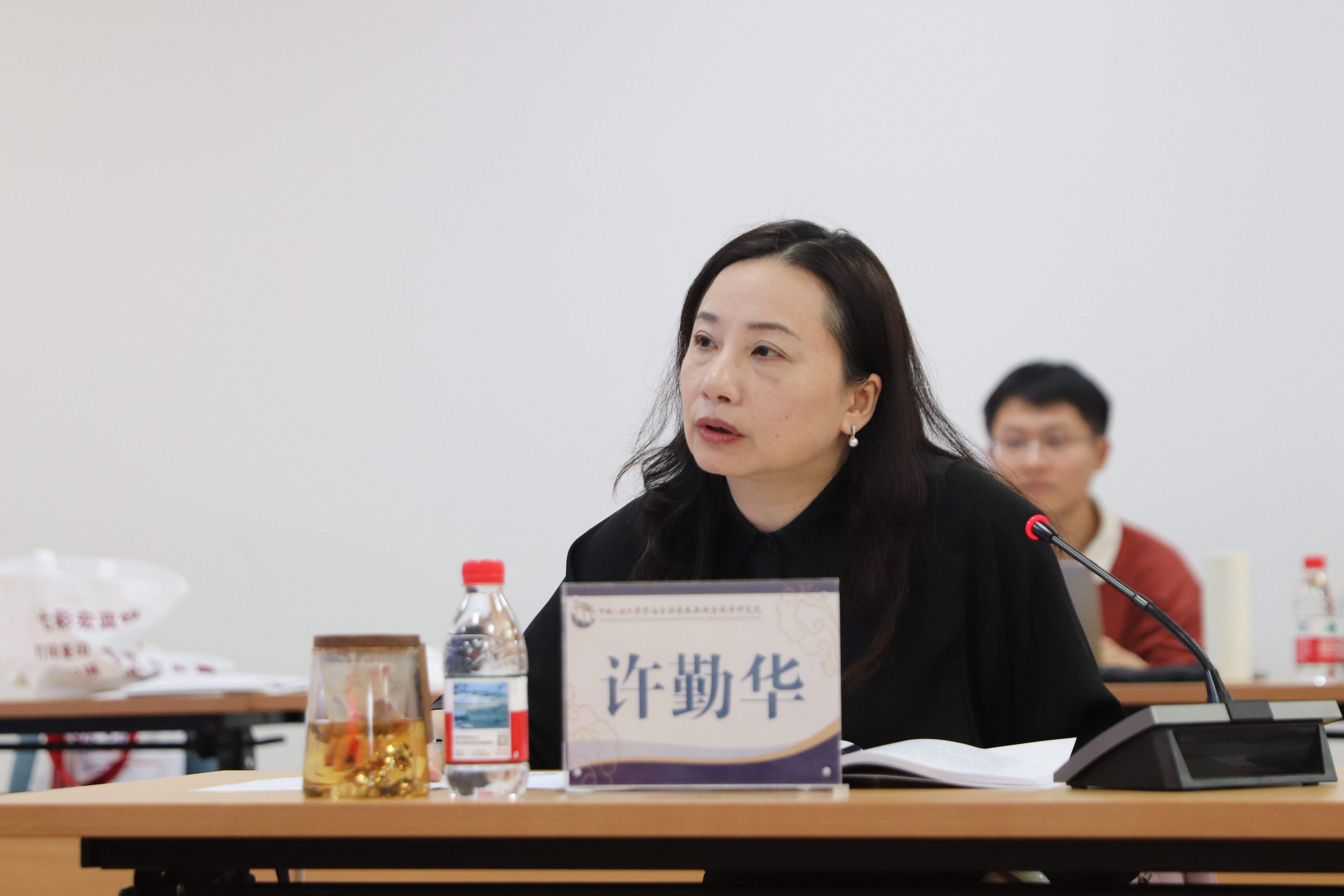
The second half of the forum featured an academic seminar. Centering on the theme “China’s Vision of Common Security: From Neighborhood Diplomacy to Global Practice”, Yu Tiejun, Professor of the School of International Studies and Director of the Institute of International Strategic Studies, Peking University, Liu Feng, Professor of the Department of International Relations and Vice Dean of the School of Social Sciences, Tsinghua University, Cai Cuihong, Professor at the Institute of International Studies, Fudan University, and Deputy Director of the Center for Innovative Governance of Global Artificial Intelligence, Wang Yingjin, Director of the Research Center for Cross-Strait Relations and Professor at the School of International Studies, Renmin University of China, Xu Qinhua, Executive Dean of the Institute for Eurasian Studies and Professor at the School of International Studies, Renmin University of China, and Li Wei, Vice Dean and Professor of the School of International Studies, Renmin University of China, delivered speeches in sequence.
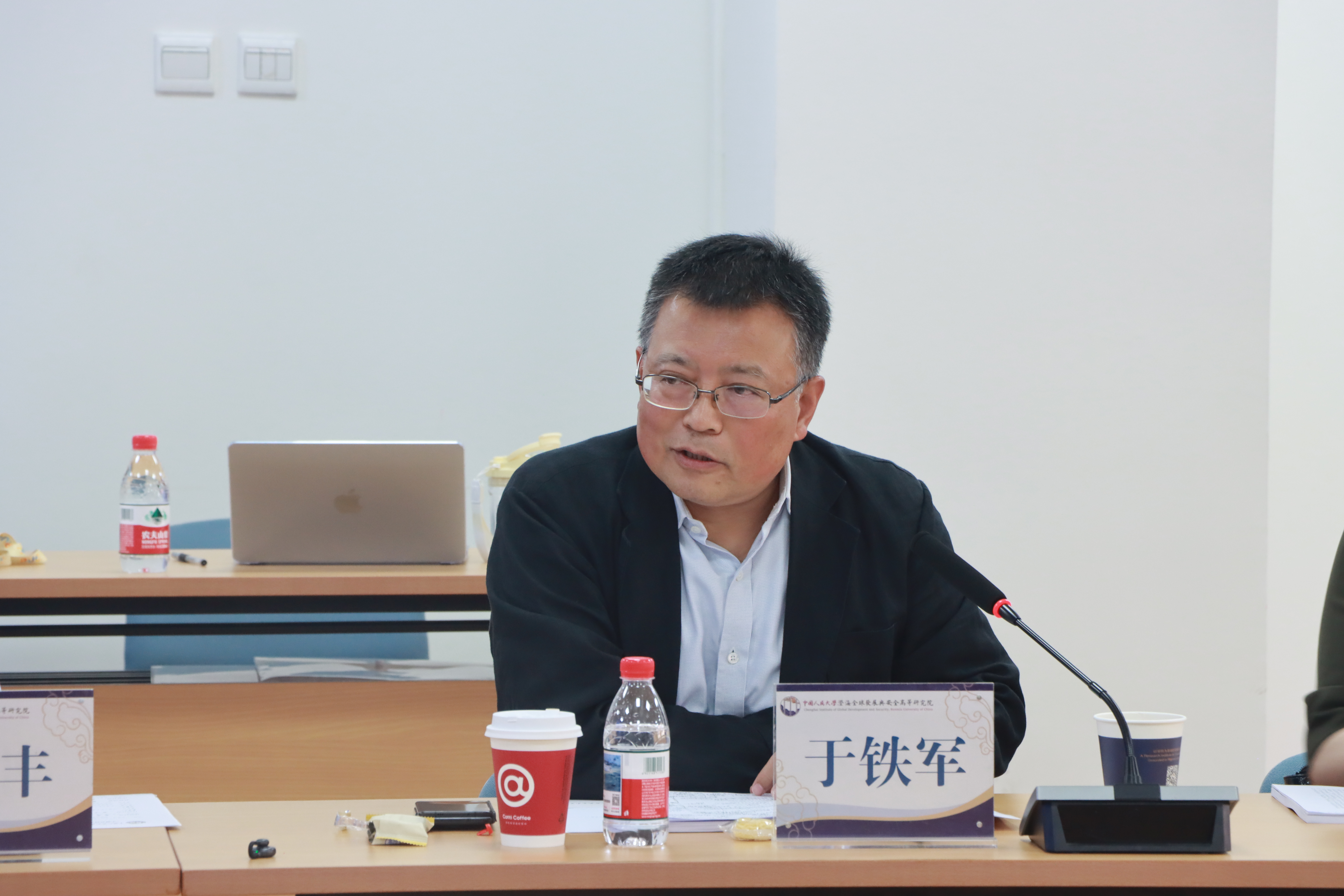
Professor Yu Tiejun first affirmed the theoretical value of the report’s systematic interpretation of the Concept of Common Security starting from the "Two Integrations". He held that the report integrates Marxism, China’s fine traditional culture and the historical practices of the Communist Party of China, sorting out the ideological foundation and evolutionary trajectory of the Concept of Common Security from theory to practice and from China’s periphery to the global level. On this basis, Professor Yu Tiejun pointed out that Western security theories cover not only deterrence, alliances and collective security, but also a rich array of topics including the origins of war, crisis management and security cooperation. Likewise, traditional Chinese security thought needs to take into account both Confucian philosophy and military strategists’ wisdom. At the practical level, further attention should be paid to the concrete application of the concept of common security in peripheral diplomacy and global security governance. Drawing on real-world issues such as the Russia-Ukraine conflict and security in the Middle East, we should not only summarize China’s experience in promoting security cooperation, but also squarely face the difficulties and challenges confronting the concept of common security in practice.
Professor Liu Feng discussed the relationship between normative theory and empirical theory from the perspective of the theoretical construction and practical explanatory power of the Concept of Common Security. He pointed out that common security can serve both as a normative goal for pursuing international peace and cooperation, and as an empirical theory to interpret China’s diplomatic practice and the effectiveness of its security governance. A clear logical connection needs to be established between the two. Professor Liu Feng argued that contemporary international politics still takes sovereign states as its basic unit. How to achieve common security while safeguarding a country’s own security is an issue that theoretical construction must address. The foundation of common security lies not merely in shared threats, but more importantly in overlapping security interests among states. On this basis, further explanation is required regarding the conditions for realizing security cooperation, as well as the relationship between instruments such as competition and deterrence and common security. Drawing on post-Cold War practices including China’s handling of territorial disputes with neighboring countries and the development of cooperative ties with ASEAN, he stressed that the conditions and mechanisms enabling the realization of common security should be distilled from specific case studies.

Professor Cai Cuihong discussed the practical path through which China’s Concept of Common Security extends from the periphery to the globe. She noted that against the backdrop of intensifying strategic competition, common security does not necessarily presuppose comprehensive strategic mutual trust. Even when competition and disagreements persist among states, common security can still be achieved through risk management and limited cooperation in specific fields. Taking artificial intelligence governance as an example, despite technological competition between China and the United States, there exists a practical need for both sides to jointly tackle transnational and systemic risks. Professor Cai Cuihong held that the sustainability of common security also hinges on the interest foundation of common development. Security cooperation should be integrated with development capacity-building so that all countries can reap tangible benefits from cooperation. Meanwhile, policy initiatives such as the Global Security Initiative need to be further translated into concrete international rules and cooperation mechanisms. It is also vital to value the role of non-state actors including digital platforms and enterprises in global security governance, and advance the realization of common security through capacity-building and institutional development.

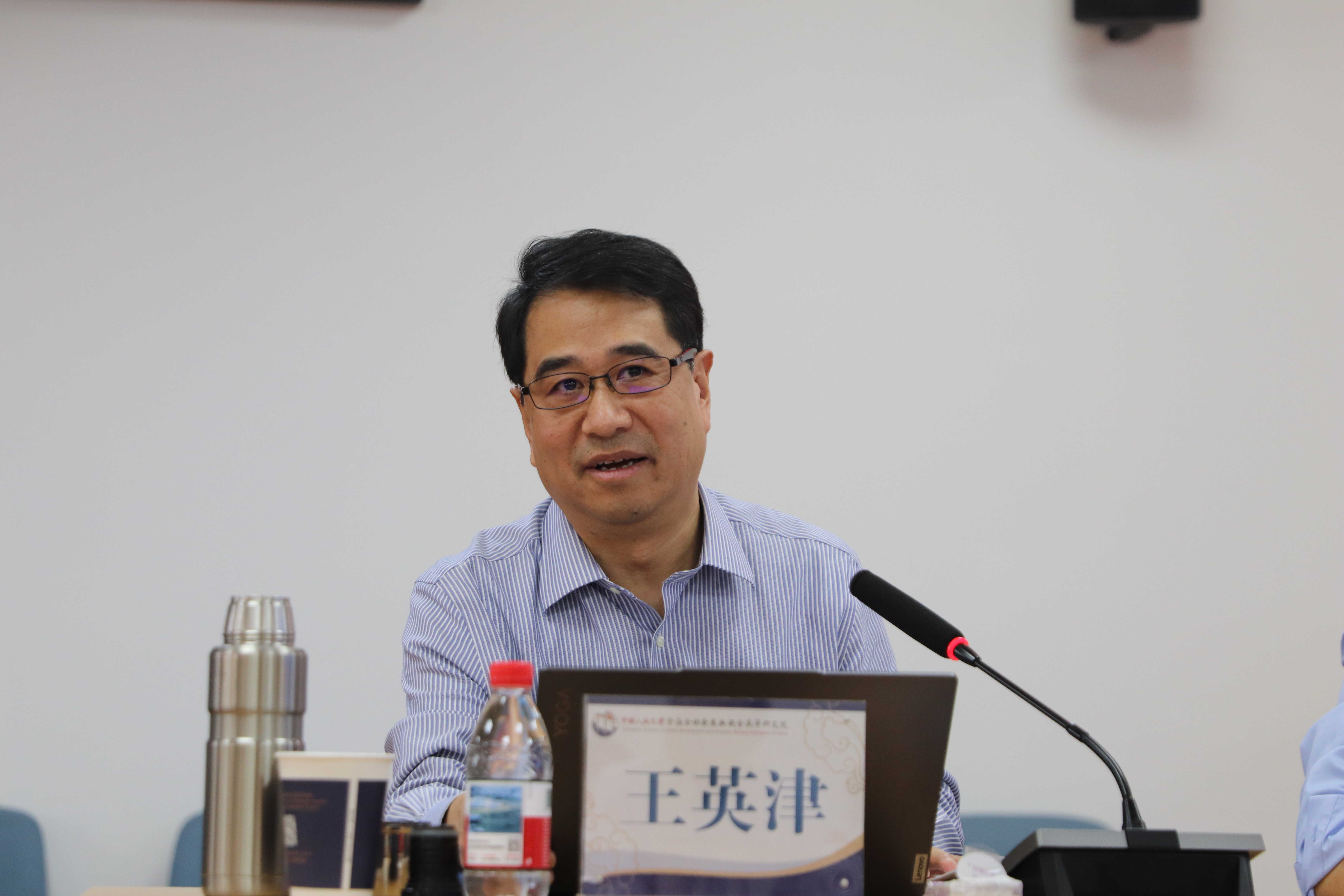
Professor Wang Yingjin systematically sorted out the scope of application and practical value of the Concept of Common Security from the perspective of international law and cross-Strait security governance. He argued that common security is not only an important policy concept, but also rests on a solid legal basis. The purposes and principles of the UN Charter and its collective security mechanism, the Declaration on Principles of International Law concerning Friendly Relations and Co-operation among States in accordance with the Charter of the United Nations, and the notion of security interdependence embodied in various international arms control treaties, together with the institutional provisions in China’s National Security Law that call for balancing national security and common security, jointly constitute important legal origins of the Concept of Common Security. Under current circumstances, the triggers for cross-Strait security risks are diverse and intertwined. The traditional research framework centered on game dynamics and military security can no longer fully account for the complex security situation across the Taiwan Strait. The concept of common security offers new thinking for examining and managing cross-Strait security issues. While the theory of common security is generally applied in the field of international relations research, the Taiwan question is China’s internal affair. Therefore, how to reasonably absorb the rational core of the concept of common security and promote stable and controllable cross-Strait situation while resolutely safeguarding national sovereignty requires further in-depth theoretical and practical research by academia.
Professor Xu Qinhua put forward new reflections on the relationship between traditional security and non-traditional security. She pointed out that although the binary division between traditional and non-traditional security provides a basic framework for security studies, these two categories of security issues are often intertwined and mutually transformable in reality. Taking energy security as an example, energy issues relate to both economic development and people’s livelihood security, and may trigger geopolitical conflicts and even military confrontation, so they cannot be simply categorized into one single security field. On this basis, Professor Xu Qinhua proposed shifting from the binary security division to a "theory of dual security elements". She argued that traditional security and non-traditional security are not two separate types of issues isolated from each other; instead, they coexist in specific security incidents in different forms and proportions. She also stressed that the concept of common security should pay attention to different countries’ actual perceptions of cooperative interests, so that China’s practical achievements in areas such as green energy and climate governance can be better translated into common security interests understandable and recognizable to the international community.
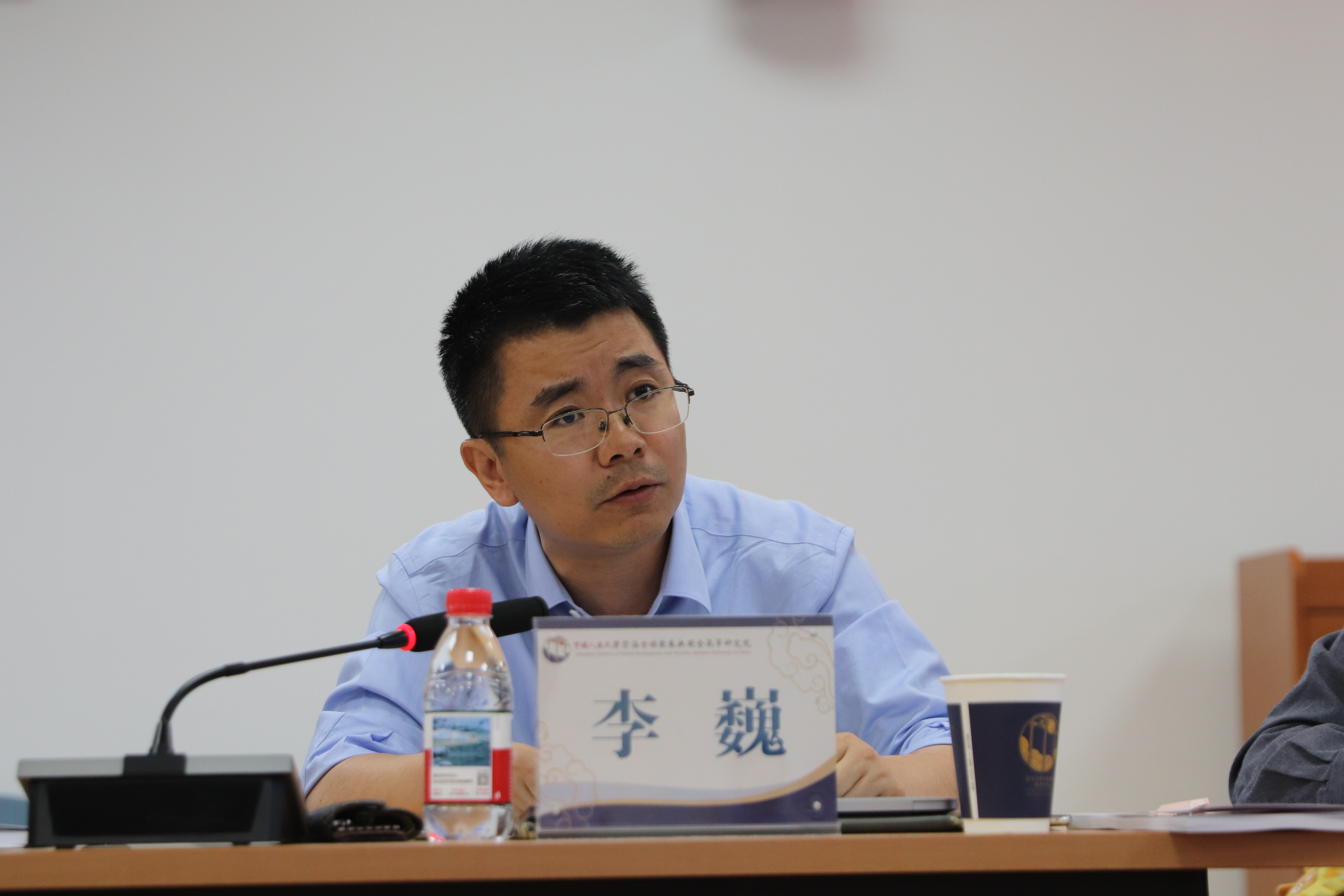
Professor Li Wei mainly discussed the conceptual definition, empirical explanation and theoretical construction of the Concept of Common Security. He held that the report systematically sorts out the ideological origins of the Concept of Common Security and lays a foundation for further theoretical and empirical research. For common security to become a landmark concept with explanatory power, it is necessary to clarify its theoretical boundaries and systematically compare it with the "security dilemma" in Western international relations theories. Professor Li Wei pointed out that common security should not remain merely at the level of normative vision. It is also necessary to explain, through specific cases in international security practice, why some regions struggle to escape the security dilemma while others can put the concept of common security into practice. He further noted that power asymmetry among states is a pervasive reality in international politics. How to realize common security under imbalanced power structures constitutes an important question to be addressed in theoretical research. In addition, military deterrence, economic countermeasures, as well as mutual constraints in nuclear security, finance and industrial sectors, raise new research questions for understanding the realization mechanism and theoretical boundaries of common security.
In the closing session of the forum, Professor Yang Guangbin expressed his gratitude for the presentations and discussions delivered by participating experts. He noted that the mindset of the security dilemma has profoundly shaped theories and practices of international politics for a long time. The proposal of China’s Concept of Common Security offers important thinking for transcending the traditional logic of competition and confrontation and exploring a new type of international security order. Professor Yang Guangbin argued that China’s traditional TianXia worldview contains intellectual resources for pursuing common security. It is necessary to further deepen theoretical research on common security based on China’s historical experience and practical realities. Lastly, Professor Yang Guangbin hoped to take the release of this security report as a starting point to continuously advance research on common security, and looked forward to continued support from all experts for academic activities of the Chenghai Institute.