
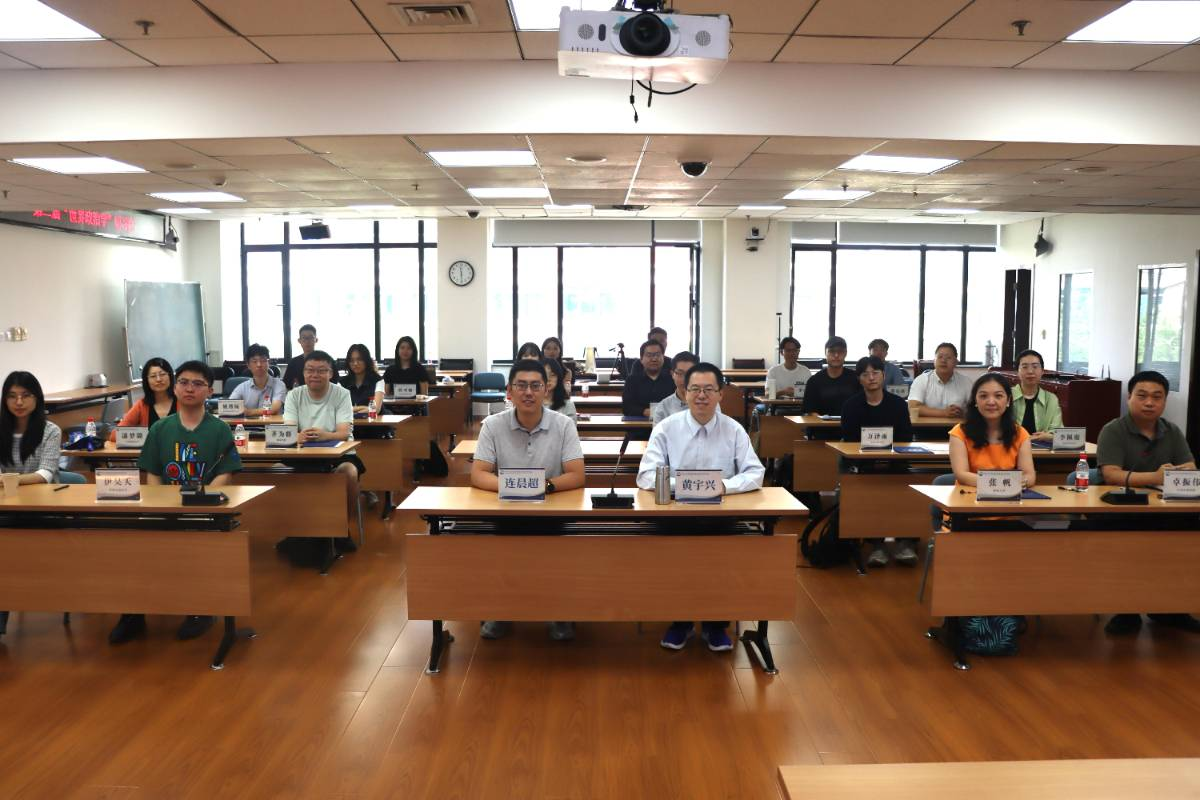
The Second World Political Science Seminar, hosted by Center for World Political Studies at Chenghai Institute of Global Development and Security, Renmin University of China, was successfully held. With "Reconstructing Paradigms in World Political Science" as its theme, the seminar received submissions from several dozen junior scholars and enrolled master's and doctoral candidates representing more than ten universities and institutions, including Renmin University of China, Peking University, Tsinghua University, the Party School of the Central Committee of the Communist Party of China, the University of Oxford, and Nanyang Technological University. Spanning two and a half days, the seminar assembled distinguished scholars in the field of world politics to deliberate upon cutting-edge academic developments.
On the first day of the seminar, Center for World Political Studies at Chenghai Institute of Global Development and Security successively invited Professor Yang Guangbin of Renmin University of China, Associate Professor Ma Jiahong of Renmin University of China, Professor Li Wei of Renmin University of China, and Professor Zhang Falin of Nankai University to engage in academic discussions on themes encompassing the world politics disciplinary system, the remnants of Cold War order, industrial politics, and theoretical innovation.
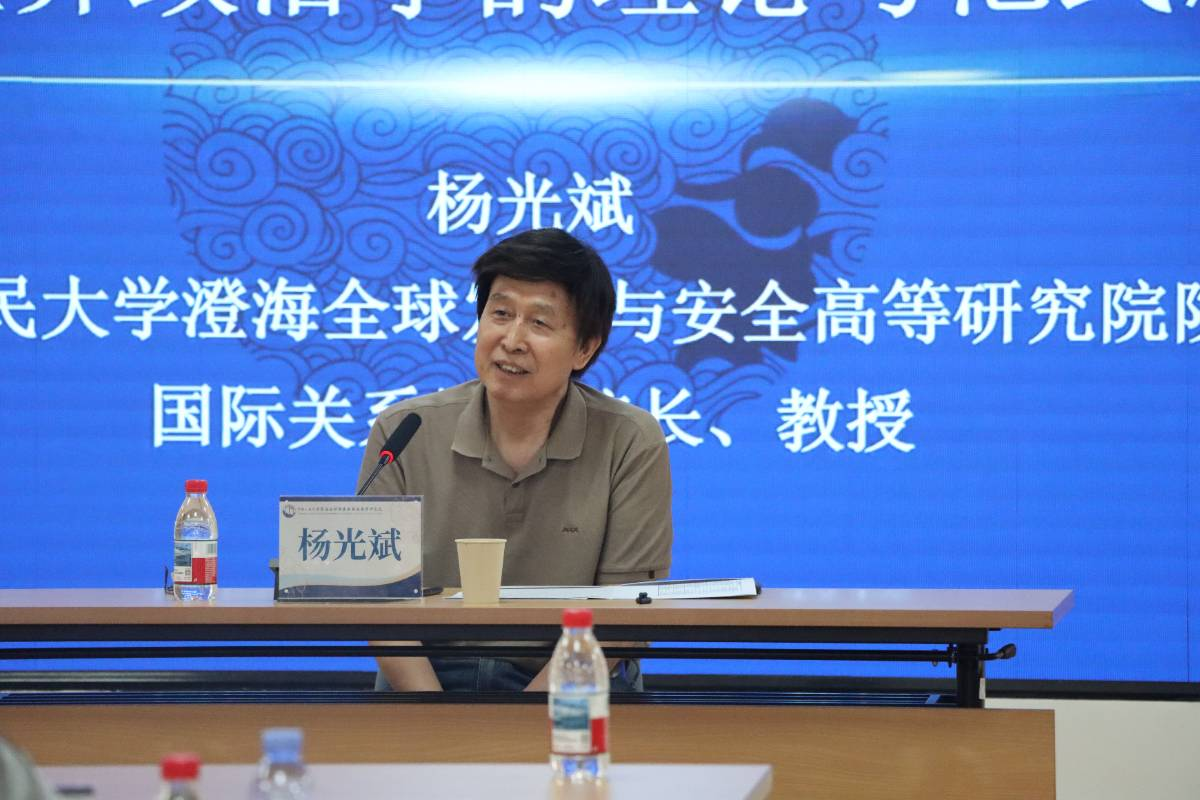
Professor Yang Guangbin extended his welcome to the faculty and students participating in the seminar. Undertaking a comparative analysis of classical theoretical frameworks—including the civilizational paradigm, world-systems theory, and theories of imperialism—Professor Yang posited that world politics is predicated upon two foundational analytical units: the world market and political ideologies. Drawing upon the historical ontology and spatio-temporal methodology of historical political science, he systematically explicated the historical logic underlying the two-century-long dialectical interaction between market expansion and social movements. He further elucidated that the core intellectual mission of this discipline resides in addressing two epochal propositions: "What is China?" and "What is the relationship between China and the world?" thereby establishing the theoretical tenor for the entire workshop.
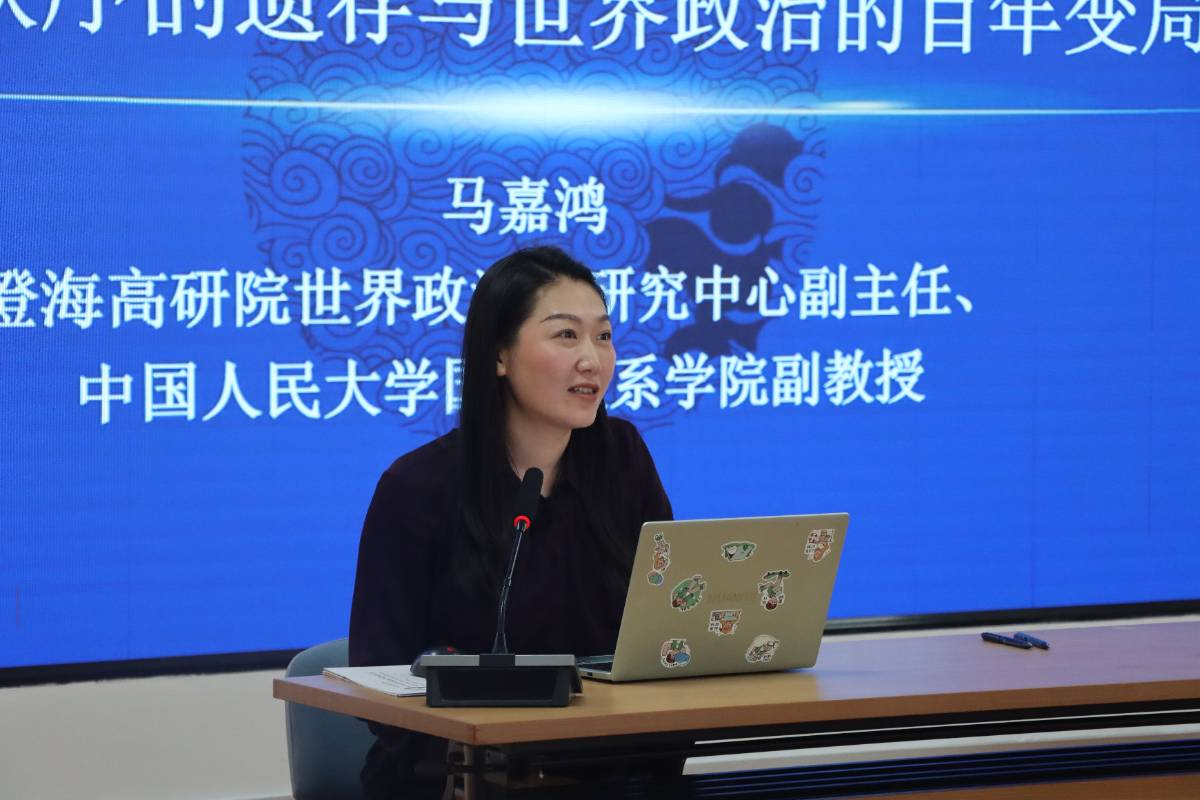
Associate Professor Ma Jiahong, drawing upon the analytical perspective of the history of the international communist movement, undertook a systematic critique of the limitations inherent in the realist research paradigm. She contended that this theoretical framework tends to circumscribe the universal agenda of socialism and to obscure the endogenous value of national liberation movements. Integrating Antonio Gramsci's concept of the "interregnum"—the historical hiatus between the decline of an old order and the consolidation of a new one—she explicated the contemporary global configuration and articulated China's dual positioning: as a passive bearer of the Cold War order and, concurrently, as an active architect of a novel symbiotic order. Furthermore, she elucidated the practical significance of the Four Global Initiatives in transcending zero-sum calculus.
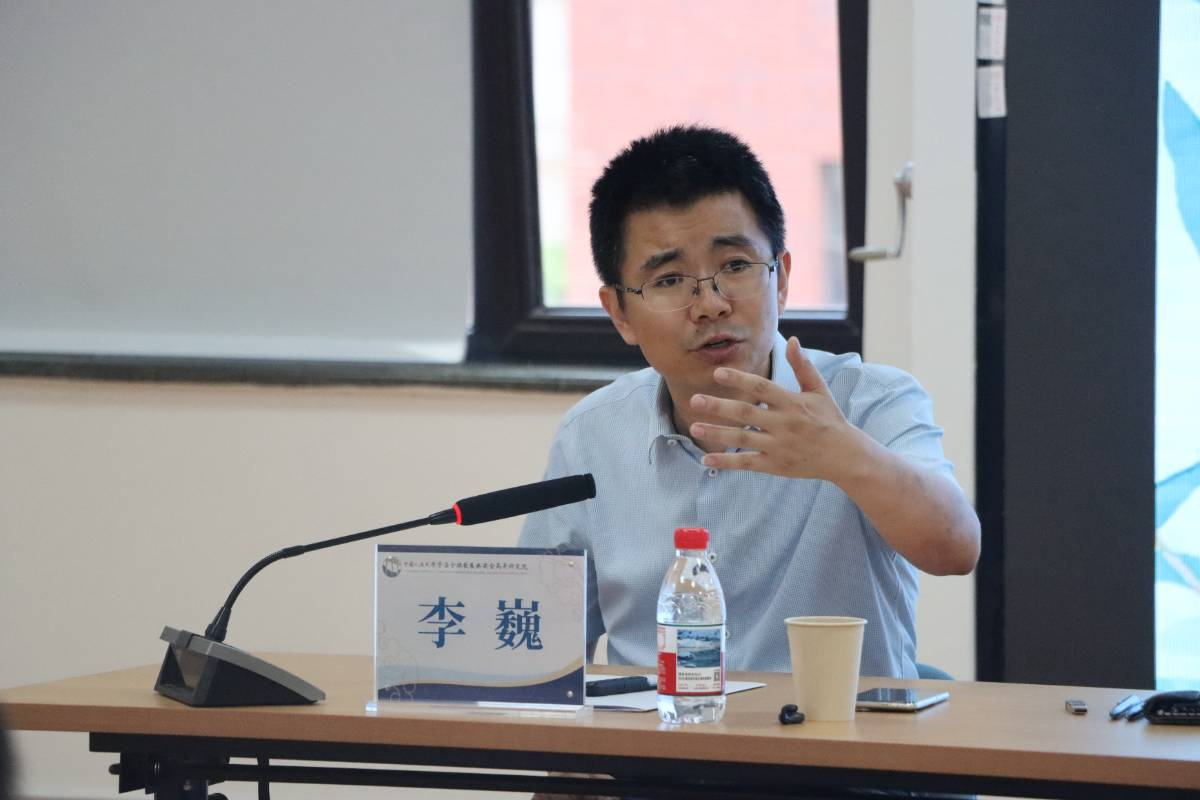
Professor Li Wei transcended the conventional economic analytical lens of industrial policy to innovatively propose an analytical framework of industrial politics. Taking super-enterprises as the core unit of analysis, he systematically examined how state endogenous and exogenous capabilities, in conjunction with geopolitical structures, generate industrial centrifugal and centripetal forces that determine the rise and decline of strategic industries, thereby shaping the transformation of the global industrial-geographical landscape.
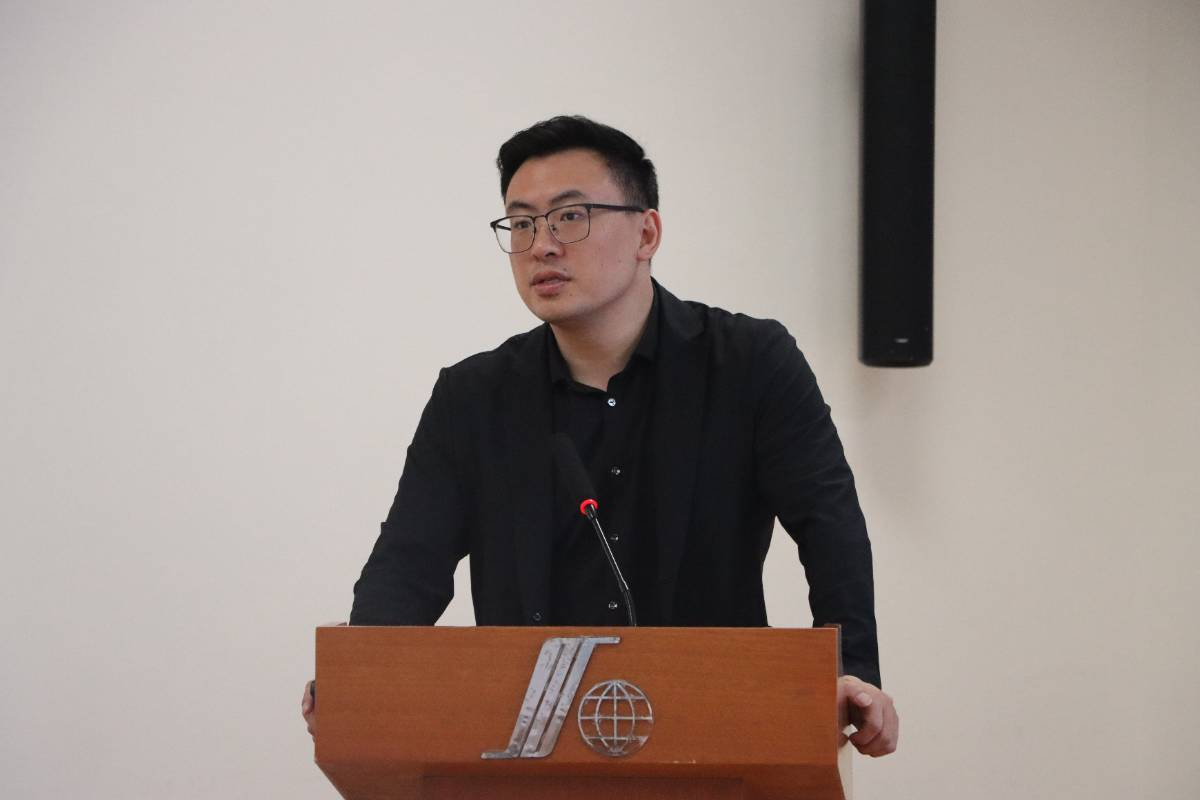
Professor Zhang Falin concentrated his inquiry on theoretical innovation in international relations and its practical scholarly application. By systematically reviewing the temporal limitations of traditional theories, Professor Zhang demonstrated that existing paradigms prove inadequate in accommodating the complexities of the contemporary global reality. Accordingly, he proposed three principal pathways for theoretical innovation—transcending the fourfold constraints of space, time, discipline, and paradigm—and, integrating concrete issues such as the reform of international organizations and global governance, constructed analytical frameworks for real-world problems from the perspective of research design.
On the second day of the seminar, Professor Di Dongsheng of Renmin University of China, Professor Zheng Yu of Fudan University, Professor Liu Hongsong of Shanghai Jiao Tong University, and Professor Huang Yuxing of Renmin University of China respectively delivered presentations on the new spectrum of world politics, Global South studies, competitive global governance, and transformations in world order.
Professor Di Dongsheng commenced by systematically tracing four cycles of globalization's rise and decline, employing the "elephant curve" to deconstruct the concrete consequences engendered by globalization. Grounding his analysis in the evolution and collision of world political ideologies, and integrating a historical review of industrial relocation to explicate the logic of great-power competition, Professor Di provided an objective analysis of China's distinctive identity within the global configuration and elucidated the underlying logic governing the advance and retreat of globalization in the new era.
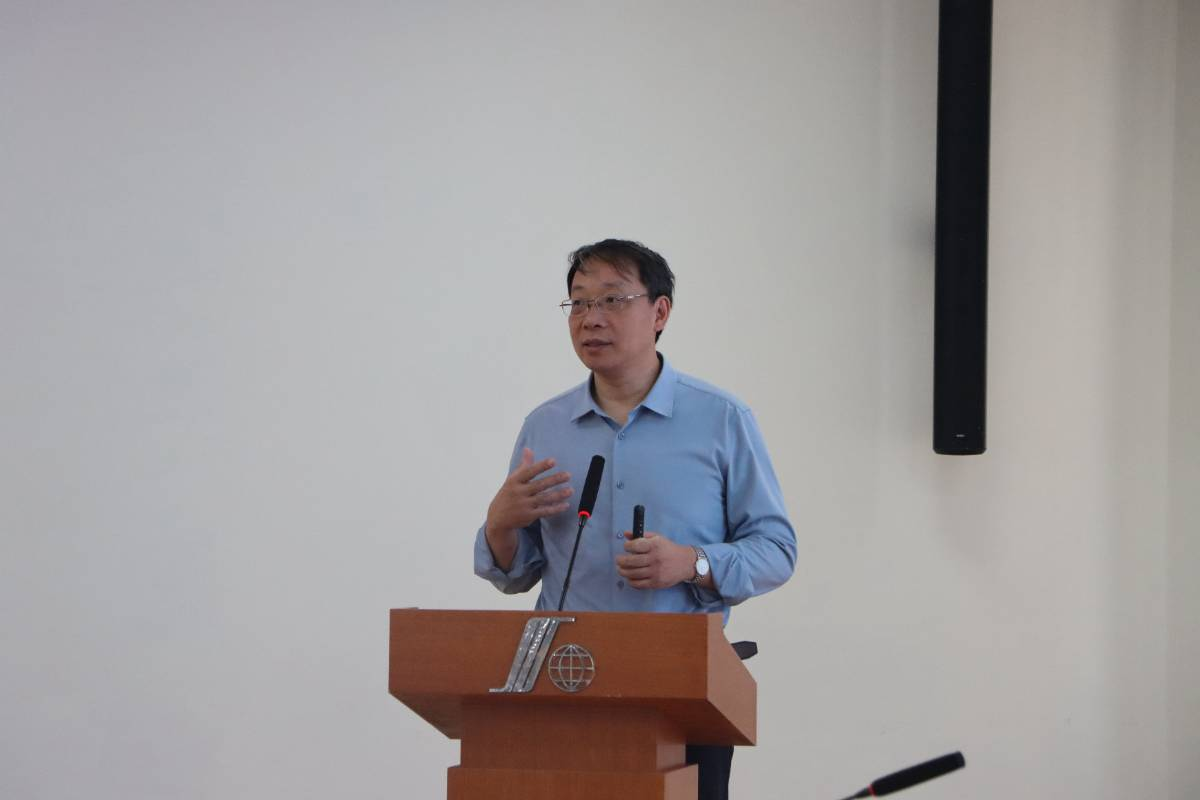
Professor Zheng Yu delivered a systematic explication centered upon the Global South. Tracing the conceptual origins of the Global South, Professor Zheng surveyed the internal differentiation in development trajectories among developing countries, distinguishing three modalities of modernization within Southern states: resource-dependent development, manufacturing catch-up, and latecomer exploration. He further analyzed the opportunities and predicaments inherent in South-South cooperation and the reform of global governance, thereby furnishing junior researchers with a comprehensive analytical framework for the study of area studies and South-South relations.
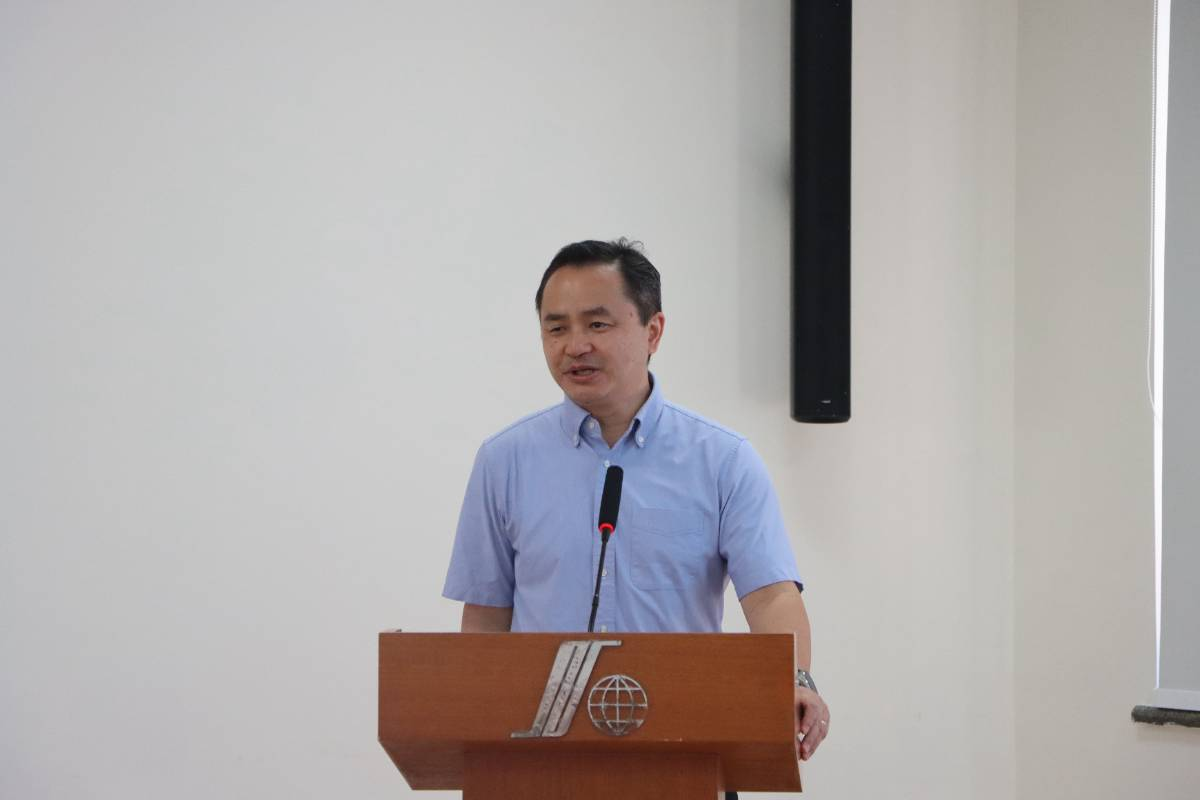
Professor Liu Hongsong directed his inquiry toward competitive global governance. He initially delineated the generative logic of competitive multilateralism: the disequilibrium in benefit distribution within traditional international institutions, coupled with reform stagnation, engenders parallel cooperative mechanisms. He further distinguished two categories of external options—credible threats and sufficient resources. Professor Liu additionally analyzed the strategic interaction between emerging platforms such as BRICS and the Shanghai Cooperation Organization and Western institutional mechanisms, interpreted the institutional strategies of middle and small powers, and examined how parallel mechanisms serve to constrain hegemonic states.
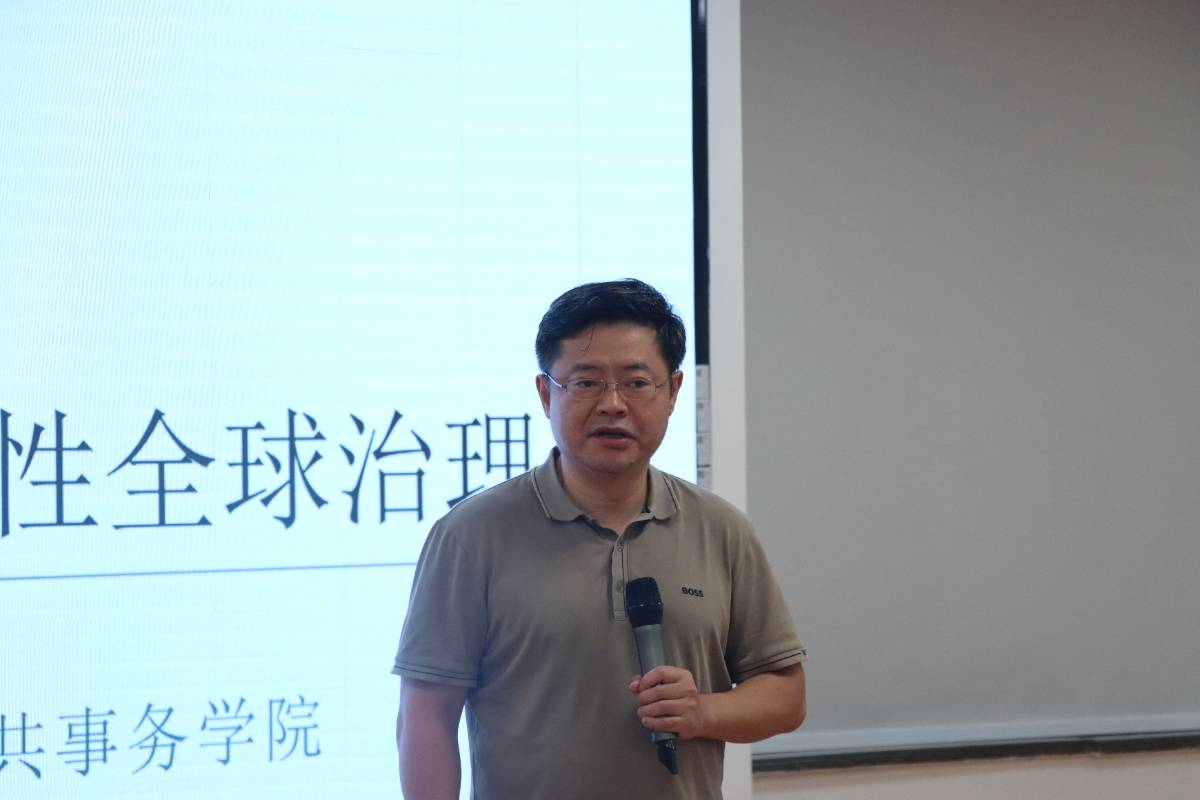
Professor Huang Yuxing examined the dynamics and mechanisms of world order transformation. He systematically reviewed the insufficient explanatory power of realism, liberalism, constructivism, and the English School in accounting for order transitions, and comparatively analyzed three explanatory frameworks centered on economic production, state institutions, and civilization and culture. Professor Huang delineated four categories of world political actors—the state, transnational corporations, social movements, and pivotal historical figures—and analyzed the formative process of the world market since 1500. He further elucidated how social movements, serving as the vehicle of political ideologies, drive the transformation of world order.
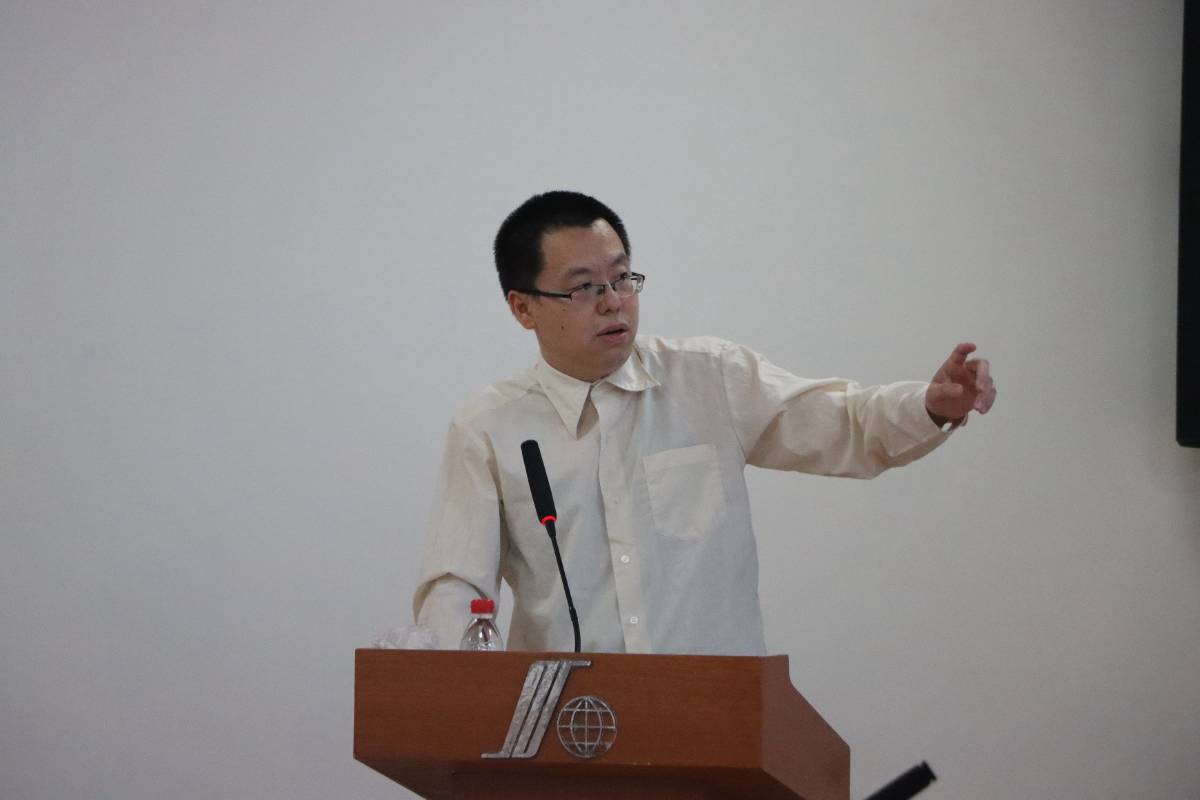
The discussions were conducted in a vigorous atmosphere. Twenty participating junior scholars, integrating their respective research orientations, posed questions with commendable initiative, engaging in comprehensive exchanges with the senior experts on cutting-edge topics encompassing civilizational narratives, industrial competition, the Global South, and great-power rivalry. The closing ceremony was presided over by Lecturer Lian Chenchao of Renmin University of China. Chenghai Institute conferred completion certificates upon all participants. Professor Huang Yuxing delivered a comprehensive synthesis of the seminar, systematically distilling its core intellectual trajectory, summarizing the theoretical value and practical significance of the thematic discussions, and offering targeted recommendations for the subsequent scholarly endeavors of junior researchers.
Going forward, the Chenghai Institute of Global Development and Security will sustain its commitment to convening regular serial academic activities, thereby establishing a long-term, stable, and high-quality platform for scholarly exchange among junior researchers. It will continue to deepen its cultivation of an autonomous political science knowledge system with Chinese characteristics, advance strategic agenda research, and facilitate the capacity of a greater number of junior scholars to engage with major global real-world issues from the foundation of indigenous theoretical frameworks.